
In today’s digital world, children are growing up in a multilingual environment. Parents and educators are constantly looking for ways to expose kids to different languages while keeping them engaged. One solution that has gained popularity is online multilingual storytelling.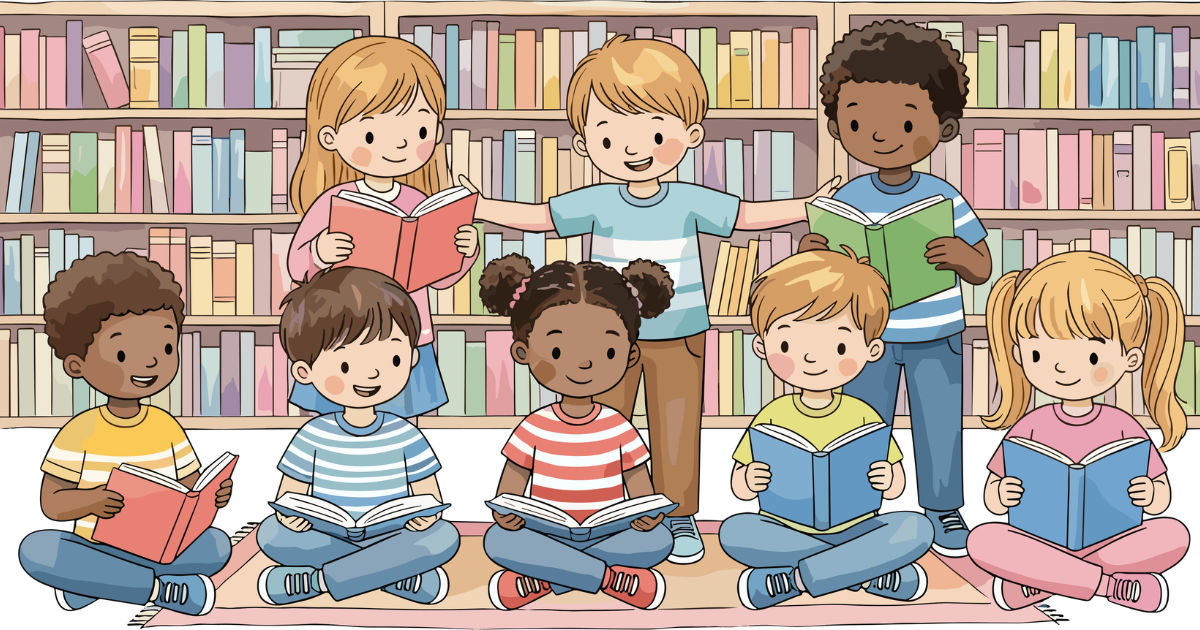
Platforms like AYA Language Lab have revolutionized the way children experience stories, making language learning interactive, fun, and accessible.
Multilingual storytelling online works because it combines language learning with the power of imagination. Children do not just passively listen—they actively participate, absorb, and internalize new vocabulary and sentence structures. This is especially effective for young learners who are naturally receptive to new sounds and patterns.
The rise of digital media and interactive platforms has made it easier than ever for children to access stories in multiple languages.
With tools like AYA Language Lab, parents can now provide children with curated content that is both educational and entertaining. This approach has proven to improve language skills, cultural awareness, and cognitive development.
Why Multilingual Storytelling Matters for Children
Exposure to multiple languages from an early age has numerous cognitive and social benefits. Children who engage with stories in more than one language tend to develop stronger problem-solving skills, enhanced creativity, and better memory retention. Multilingual storytelling online allows these benefits to be harnessed in a way that is convenient, engaging, and consistent.
Traditional methods of language learning often rely on rote memorization, which can be tedious for children. In contrast, storytelling taps into emotions and imagination, making learning feel natural. When children hear a story in a new language, they not only learn words but also context, cultural nuances, and pronunciation patterns.
Platforms such as AYA Language Lab focus on creating immersive experiences where language learning is seamlessly integrated into storytelling. This approach is backed by research showing that children learn languages more effectively when they are motivated and emotionally connected to the content.
How Online Storytelling Engages Children
Children are digital natives, and they are accustomed to interactive media. Online storytelling leverages this familiarity by incorporating visual, auditory, and interactive elements into the learning experience. Bright illustrations, animations, and sound effects help maintain attention, while interactive features encourage participation.
In the context of multilingual learning, online storytelling provides a safe environment for children to experiment with new words and phrases. Repetition through stories helps reinforce learning without feeling repetitive or boring. For instance, a child listening to a story in Spanish and then participating in an interactive exercise on AYA Language Lab can practice new vocabulary immediately.
Moreover, online platforms can adapt stories to the child’s proficiency level. Beginners can start with simple sentences and common phrases, while more advanced learners can engage with complex narratives. This adaptability ensures that children remain challenged and interested, which is crucial for sustained language acquisition.
The Role of Technology in Multilingual Storytelling
Technology plays a central role in making multilingual storytelling accessible and effective. Smartphones, tablets, and computers allow children to explore stories anytime, anywhere. This flexibility is particularly important for families who may not have access to native speakers or language immersion programs.
Platforms like AYA Language Lab use sophisticated algorithms to recommend stories based on the child’s age, language level, and interests. This personalization ensures that children are always exposed to content that is suitable and engaging. Additionally, technology enables the integration of interactive quizzes, vocabulary exercises, and pronunciation guides that enhance learning outcomes.
Another key technological advantage is tracking progress. Parents and educators can monitor how often children engage with stories, which languages they are exploring, and how their skills are improving over time. This data-driven approach allows for informed decisions about language instruction and story selection.
Cognitive Benefits of Multilingual Storytelling
Research consistently shows that bilingual and multilingual children experience cognitive benefits that monolingual children may not. Engaging with multiple languages enhances executive function, attention control, and problem-solving skills. Online storytelling, particularly with platforms like AYA Language Lab, supports these benefits by combining language learning with cognitive engagement.
When children listen to stories in different languages, they are constantly switching between linguistic systems. This “mental workout” improves cognitive flexibility and helps children process information more efficiently. Additionally, multilingual storytelling encourages children to make connections between languages, deepening their understanding and reinforcing memory.
Beyond cognitive gains, storytelling also supports social and emotional development. Through narratives, children explore perspectives, empathize with characters, and understand cultural diversity. Exposure to stories in multiple languages broadens their worldview and fosters tolerance and curiosity about other cultures.
Why Short, Engaging Stories Work Best
Children’s attention spans are naturally short, so the format of online storytelling is crucial. Short stories with engaging plots, colorful visuals, and interactive elements are most effective. They provide frequent opportunities for repetition and reinforcement, which are key to language retention.
Platforms like AYA Language Lab emphasize bite-sized stories that combine entertainment with educational content. For example, a five-minute animated story may introduce 10–15 new words, repeated in different contexts. This allows children to internalize vocabulary naturally, without feeling overwhelmed.
Short stories also provide flexibility for parents and educators. Children can enjoy multiple stories in a single sitting, making learning more dynamic. The combination of audio, visuals, and interaction ensures that language exposure is not only frequent but also enjoyable.
How Cultural Context Enhances Learning
Language is more than just words; it is deeply connected to culture. Online storytelling allows children to experience cultural contexts alongside language learning. Stories often include traditions, idioms, and social norms, giving learners a richer understanding of the language.
AYA Language Lab curates stories from around the world, providing authentic cultural exposure. By hearing stories in different languages, children learn not only how to speak but also how to think and feel in those languages. This immersive experience strengthens comprehension and retention, making language learning more meaningful.
Cultural exposure also encourages empathy and global awareness. Children become familiar with different lifestyles, family structures, and celebrations, fostering respect for diversity. This is a unique advantage of multilingual storytelling that goes beyond conventional language lessons.
Interactive Features That Boost Learning
One of the main reasons online storytelling works so well is interactivity. Children are not passive listeners—they engage with content through clickable elements, quizzes, and games. This active participation reinforces language learning and keeps children motivated.
For instance, after hearing a story on AYA Language Lab, a child might complete a matching game that pairs new words with images. They might also record themselves reading lines from the story, receiving instant feedback on pronunciation. These interactive features provide immediate reinforcement and make the learning experience more memorable.
Gamification is another effective technique. Reward systems, badges, and progress tracking create motivation and encourage children to continue exploring new stories and languages. This engagement is difficult to achieve through traditional textbooks or classroom lectures alone.
Supporting Parents and Educators
Online multilingual storytelling platforms like AYA Language Lab are not only beneficial for children but also for parents and educators. They provide resources, guidance, and support to help adults facilitate learning. Parents can follow suggested story sequences, monitor progress, and even participate in storytelling with their children.
Educators can integrate online storytelling into lesson plans, using it to complement classroom instruction. The flexibility of online platforms allows teachers to assign stories for homework or group activities, ensuring consistent exposure to language outside the classroom.
Additionally, these platforms often include professional guidance from linguists and educators. This ensures that the content is developmentally appropriate, culturally sensitive, and aligned with best practices in language learning.
Overcoming Common Challenges
While online multilingual storytelling has many advantages, there are challenges that parents and educators should consider. One common concern is screen time. Excessive digital exposure can have negative effects if not managed properly. The solution is to balance online storytelling with offline activities, discussions, and real-world practice.
Another challenge is maintaining interest across multiple languages. Children may prefer one language over another, leading to uneven exposure. Platforms like AYA Language Lab address this by using engaging visuals, interactive elements, and relatable stories to make every language appealing.
Finally, technical access can be a barrier. Not every family has high-speed internet or multiple devices. Selecting a platform that is user-friendly, low-bandwidth compatible, and accessible across devices ensures that children can participate fully, regardless of their technical setup.
Case Studies and Success Stories
Many families and schools have reported significant improvements in language skills through online storytelling. Children who struggled with traditional language lessons often find themselves excited to engage with stories. Platforms like AYA Language Lab have documented cases where children increased vocabulary retention, improved pronunciation, and developed a stronger love for languages.
For example, a bilingual preschool class using online storytelling daily demonstrated higher engagement and faster vocabulary acquisition compared to a control group using conventional methods. Parents noted that children were practicing new words spontaneously and even teaching peers, highlighting the social benefits of the approach.
Tips for Maximizing the Benefits
To get the most out of multilingual storytelling online, parents and educators should consider the following strategies:
-
Consistency is key: Daily or regular exposure reinforces learning.
-
Interactive participation: Encourage children to repeat words, answer questions, or act out stories.
-
Balance digital and offline: Follow up online stories with related offline activities, like drawing characters or retelling stories.
-
Select age-appropriate content: Platforms like AYA Language Lab provide guidance on suitable stories for different ages.
-
Engage in discussion: Talk about story themes, cultural elements, and characters to deepen understanding.
These practices help children not only acquire language skills but also develop a deeper appreciation for storytelling and culture.
Conclusion
Online multilingual storytelling is transforming the way children learn languages. Platforms like AYA Language Lab have shown that combining engaging stories with interactive features creates a natural and enjoyable learning environment. Children benefit cognitively, socially, and emotionally from exposure to multiple languages, while parents and educators gain a powerful tool for facilitating language acquisition.
The success of online storytelling lies in its ability to integrate language learning with imagination, culture, and interactivity. Short, captivating stories keep children engaged, while personalization ensures that each learner progresses at their own pace. With proper guidance and balance, multilingual storytelling online can provide a lifelong love for languages and storytelling.
For families and schools looking to nurture multilingual children, online platforms offer accessibility, flexibility, and proven effectiveness. By making learning fun, culturally rich, and interactive, children gain not just language skills but also a broader understanding of the world around them.
In summary, multilingual children’s storytelling online works because it taps into how children naturally learn—through stories, repetition, play, and imagination. Platforms like AYA Language Lab are leading the way in demonstrating the power of digital storytelling to foster language fluency and cultural awareness.