
Author: SaeedKhatri

What Is The Function Of Directional ValveWhat Is The Function Of Directional Valve

Directional valves are highly useful in gear pump and pneumatic systems. They regulate the flow of fluid in the system and determine the direction that the fluid takes at any given time. Without these valves, machines would be unable to move the cylinders, turn the motors, or alternate between tasks.

What Is The Function Of Directional Valve? 1

Consider a directional valve, such as a fluid traffic light. It starts, pauses, and varies the flow in order to allow machines to operate effectively and in a safe way. These valves are found everywhere, such as in factory machines, construction equipment, and automated systems.

This article will discuss the directional valves and what they do, their working mechanism, the types of directional valves, and their applications.

What Is a Directional Valve and How It Works?

A directional valve is a part that controls where hydraulic oil or compressed air flows in a system. It decides which part of the machine, called an actuator, gets the fluid and which way the fluid moves.

The valve controls actions like pushing a cylinder out or pulling it back, starting or stopping a motor, or holding something in place by changing the path of the fluid. Directional valves don't usually control how much pressure or flow there is. They mainly control the direction of movement.

A directional valve controls where fluid flows by opening and closing internal pathways inside the valve. These pathways change position depending on how the valve is operated. This could be by a lever, an electric signal, or air pressure.

When the valve shifts, it redirects the fluid to different parts of the system. This controls movements like pushing a piston forward or pulling it back. The part inside the valve that moves to change the flow is usually called a spool or poppet. This moving part is what makes controlling the fluid's direction possible.

What Are the Benefits of Using Directional Valves?

Directional valves come with many useful benefits:

  • They clearly control how parts like cylinders move.
  • They switch between different actions smoothly and reliably.
  • They work well in both manual and automated systems.
  • They can be used with both hydraulic (fluid) and pneumatic (air) systems.

These benefits help machines run safely and work efficiently.

What Is the Main Job of a Directional Valve?

The main job of a directional valve is to control the direction of fluid flow inside a system. This lets machines move in the right order and do their tasks properly.

Directional valves do important things like:

  • Start fluid flowing to a part that needs to move
  • Stop fluid flow when the movement is done
  • Change the flow direction to reverse the movement
  • Hold parts in place when needed

Without directional valves, hydraulic and pneumatic systems would not be able to control movements accurately or work smoothly. They act like gatekeepers and help in making sure fluid goes to the right place at the right time. So, machines can work safely and efficiently.

What Are Ports and Positions in a Directional Valve?

Directional valves are described by the number of ports and positions they have. This helps explain how they work.

What Are Ports in a Directional Valve?

Ports are the openings through which fluid enters or leaves the valve. Common ports include:

  • The pressure port where fluid comes in from the pump or air supply
  • The return or exhaust port where fluid goes back to the tank or outside
  • Work ports which connect to the parts that move, like cylinders or motors
  • The number of ports shows how many different flow paths the valve can handle.

What Do Directional Valve Positions Mean?

Positions are the different flow setups the valve can switch between. Each position changes the path the fluid takes.

For example, a 4/3 valve has four ports and three positions. This means it can send fluid forward, send fluid backward, or hold the system in a neutral state where no movement happens.

What Are the Common Types of Directional Valves?

Directional valves come in different designs, each made for specific needs in a system.

Spool-Type Directional Valves

These valves have a sliding part called a spool inside the valve body. When the spool moves, it opens and closes different paths for the fluid to flow. Spool valves are very popular because they can handle large amounts of fluid and switch flow smoothly. They are commonly used in many hydraulic systems.

Poppet-Type Directional Valves

Poppet valves use a small sealing piece that lifts or presses down to control the flow. They seal very well, which helps prevent leaks. However, they might not handle high flow as smoothly as spool valves. Poppet valves are often chosen when minimizing leaks is very important.

In short, spool valves are great for smooth, high-flow control, while poppet valves are better when tight sealing is needed. Both types help direct fluid where it needs to go so machines can work properly.

How Are Directional Valves Operated?

Directional valves can be controlled in different ways depending on the system setup.

Manual Operation

These valves are moved by hand using levers, buttons, or foot pedals. They are common in simple machines that don't need automation.

Mechanical Operation 

Mechanical valves work using parts like cams, rollers, or linkages. They shift when the machine moves and are often used in machines that do the same action over and over.

Hydraulic or Pneumatic Operation

In these valves, fluid pressure pushes the internal part (spool) to move the valve. This allows the valve to be controlled from a distance and is helpful in big systems.

Solenoid Operation

Solenoid valves use electrical signals to move the valve. They are common in automated systems where precise control is needed.

What Do Directional Valves Do in Hydraulic Systems?

In hydraulic systems, directional valves control how cylinders and motors move by directing pressurized oil. They decide:

  • Which part moves
  • Which way does it moves
  • When it stops moving

These valves work together with pumps and other valves to keep the system running smoothly and safely.

What Do Directional Valves Do in Pneumatic Systems?

In pneumatic systems, directional valves control the flow of compressed air. They manage when air goes in and out to control cylinders and air motors. Since air systems usually work at lower pressure than hydraulic ones, pneumatic valves tend to be smaller and respond faster.

How Do Directional Valves Make Systems Safer?

Directional valves improve safety by controlling movement and stopping unwanted actions. For example, their neutral positions can block fluid flow or release pressure, which helps keep things safe when the machine is turned off.

Some valves are also designed to work with safety systems that can quickly stop machines in emergencies.

How Do You Pick the Right Directional Valve? 

To choose the right directional valve, consider:

  • How much pressure and flow does your system needs
  • How many ports and positions should the valve have
  • The type of control or actuation you want (manual, electric, etc.)
  • The environment where the valve will be used

Picking the right valve helps your system work better and reduces the chances of breakdowns.

Directional Valves Guide the Fluid Flow

Directional valves have a simple but very important job. They guide the flow of fluid in your machines. So, machines can move, stop, or reverse smoothly and safely. Whether it is a basic manual machine or a high-tech automated system, directional valves are key parts of how fluid power works.

MISIRUI Brand Story Craftsmanship HeritageMISIRUI Brand Story Craftsmanship Heritage

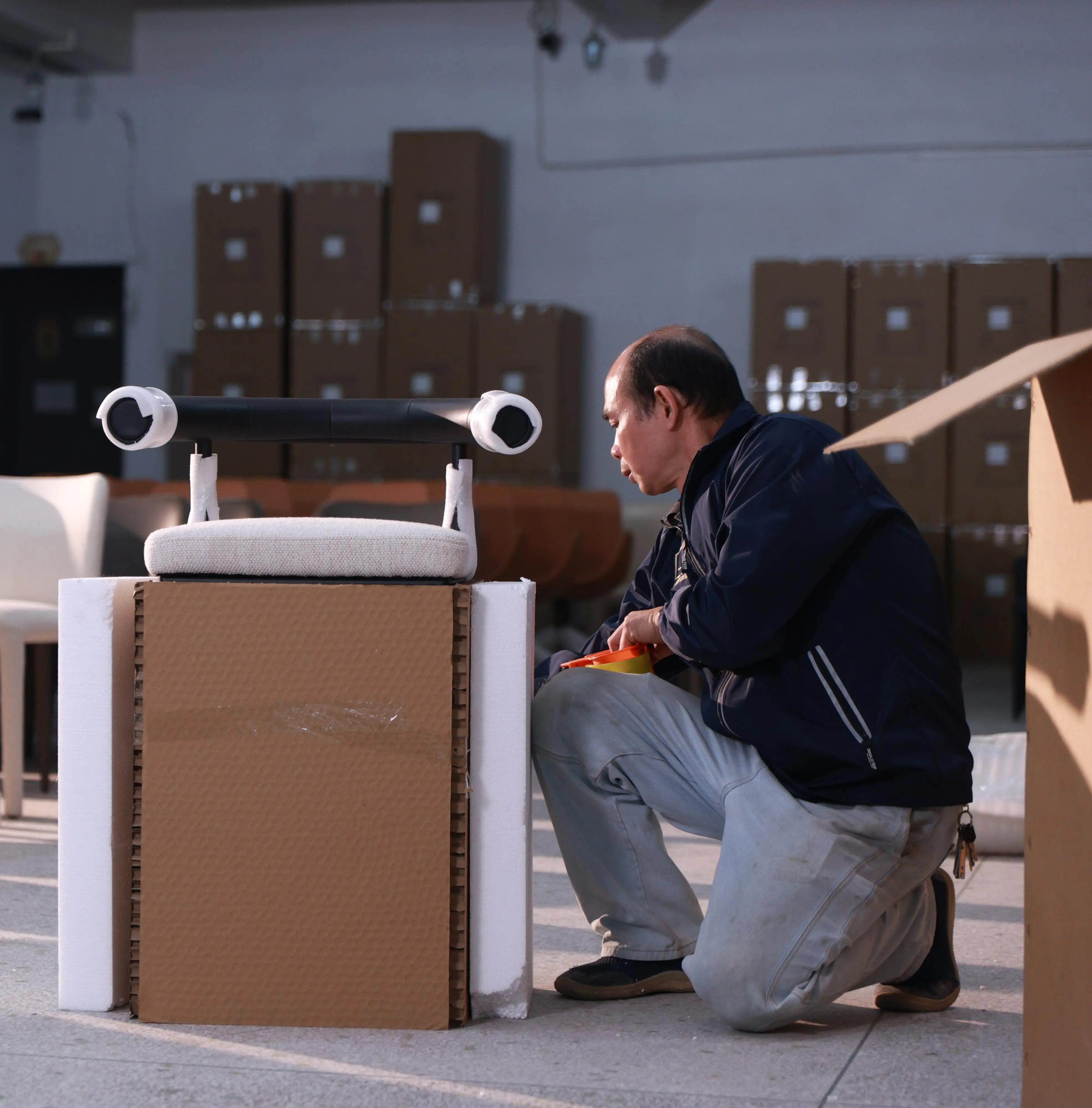
Every piece of furniture from MISIRUI begins with dedication and ends with commitment. From upholstery to quality inspection and packaging, we infuse each creation with lasting vitality through the warmth of traditional craftsmanship.

IF8A2648(1)

Layered Protection, Delivering Peace of Mind

As finished furniture prepares to travel to customers, packaging forms the final line of defense in MISIRUI's craftsmanship journey.

We reject generic cardboard packaging, instead creating custom protection for each piece: wrapping corners in foam, reinforcing frames with rigid cardboard, and sealing securely to prevent damage in transit. Every movement reflects careful attention. At MISIRUI, we know the journey from factory to home is part of the product experience. Our layered packaging not only safeguards furniture but also conveys our respect and sincerity to every customer.

Maintenance Tips for Prolonging Vertical Mast Lift LifespanMaintenance Tips for Prolonging Vertical Mast Lift Lifespan

A vertical mast lift can be worn out by disregarding minor repairs. It will create breakdowns, safety issues, and expensive repairs. However, by performing regular tasks such as cleaning, checking, and servicing on time, you can have a long lifespan for your lift.

Maintenance Tips for Prolonging Vertical Mast Lift Lifespan 1
You need to consider maintenance as a way of providing your lift with some care following the hard work in the day. By taking good care of your lift, you can prolong its lifespan and make your work safe and easy.

Top Tips You Need to Follow to Increase the Lifespan of Vertical Mast Lift

Here we will present you with some simple maintenance tips to ensure that you do not waste your investment and have your Vertical Mast Lift running well over an extended period.

Start with Daily Pre-Use Checks

Take a few minutes to check your vertical mast lift before you start your work each day. Doing this daily is an easy and smart way to spot small problems before they get worse.

  • Look over the lift carefully for any obvious damage like cracks, leaks, or worn parts. Check the mast, base, and platform to see if anything looks loose or out of place.
  • You should also test the controls both on the platform and from the ground. Make sure everything works right and the emergency stop button functions. All the movements, such as up, down, and side to side, should also be checked to ensure they are smooth and steady.
  • Check the tires or wheels to make sure they are clean and not damaged. If your lift runs on electricity, check that the battery is charged and look for any frayed wires or loose connections.

Taking just five minutes for these daily checks can help prevent accidents, make your lift last longer, and keep your workday running smoothly.

Keep It Clean and Clear of Dirt

Dust and dirt might seem small, but over time, they can cause real problems like clogging filters, hurting hydraulic parts, or causing rust.

Make it a habit to clean your Vertical Mast Lift regularly, especially after working in dusty or dirty places. Wipe down the platform, base, and mast with a clean cloth. Avoid using strong sprays or harsh chemicals that might damage the electrical parts.

Pay close attention to joints and moving parts. Keeping them clean helps stop friction and wear. If you work indoors, clean the wheels often to prevent dirt buildup that can make the lift hard to move or unsteady.

Stick to a Regular Lubrication Routine

Similar to any machine that contains moving parts, a vertical mast lift requires lubrication in order to operate well. Otherwise, the parts may rub against each other, become excessively hot, and wear out sooner.

  • Check the manual to see how often and what kind of grease or oil to use. Focus on the mast sections, bearings, and all moving joints.
  • Lubricating regularly keeps the lift running quietly and smoothly, and helps avoid costly repairs later. But don’t put on too much. Too much grease or oil can catch dust and cause buildup.

Keep an Eye on the Hydraulic System

It is the hydraulic system that helps in the upward and downward movement of the platform in a safe manner. Checking it regularly is very important to ensure that the lift is working well. Check the leaks or cracks of the hoses and connections. Even minor leakage can slow down the lift and destabilize it.

Then make sure that the hydraulic oil is at the correct level and appears clean. When it gets dark or dirty then it is time to change it. Always use the fluid that your manufacturer recommends. It is harmful to the system if you are using the wrong kind.

The way the lift works should also be noted. If it begins to move at a slower pace or produces strange sounds, the hydraulic system may require a maintenance check.

Check Electrical and Control Systems

The electrical system powers the lift and its safety features. Damaged wires or loose connections can cause problems or even be dangerous.

Look over all electrical cables for any wear or fraying and make sure connections are tight. Test the control buttons often to make sure they work smoothly. They should respond quickly without sticking or delays.

If your lift has a joystick, check that it moves easily in all directions. If it feels stiff or does not respond well, report it and get it fixed right away. Keeping the electrical system in good shape helps the lift mast boom lifts manufacturer reliably and prevents sudden breakdowns.

Replace Worn Parts Quickly

Parts like wheels, seals, and switches will wear out over time even with good care. Changing them as soon as you notice wear is important. It helps you to stop small problems from becoming big repairs.

Keep a log of maintenance and note when parts are replaced. This helps you see patterns and plan for future repairs.

Always use original, quality replacement parts. Cheaper ones might not fit well or might wear out faster. Using good parts saves money and time in the long run.

Stay on Top of Scheduled Servicing

Besides your daily checks and cleaning, have a professional service your lift at least once or twice a year, depending on how much you use it.

Certified technicians can check things you might miss, like the mast alignment, hydraulic pump, or electrical parts.

Regular service helps catch problems early, keeps your lift safe and up to code, and protects your warranty and resale value.

Store the Lift Properly When Not in Use

The way you store your Vertical Mast Lift influences its lifetime. It is always important to leave it on a firm surface that is flat in a clean and dry area. It should not be left outside during bad weather as rain and snow. Even extreme shifts of temperature will spoil it.

Disconnect the battery in case you will not use the lift for some time. Then wrap it up to avoid dust and dirt. During good storage, you will find that your lift will not be damaged, and it will be there to serve you any time you require it.

Train Operators on How to Use It Right

Even the best-maintained lift can wear out fast if it is used the wrong way. Make sure only trained and authorized people operate the lift. Proper training helps prevent accidents and stops unnecessary wear and tear.

Operators should know the lift’s weight limits, how to use the controls, and basic maintenance. Teaching good habits like not overloading or rough handling helps the lift to last longer.

Final Thoughts
A Vertical Mast Lift is a powerful device that can serve you for several years if you take care of it. Regular maintenance, cleaning, and service make sure that it works well and it does not break down at the most unimaginable time.

Simple care routines might be meaningful in their effectiveness as well as their labor period.

It will save you money, time, work aggravation, and will keep everybody safe by taking some time to do its maintenance now. A maintained vertical mast lift will be a worthy investment in the work. It will be easy and efficient to work in.

Benefits Of Working With An Older Bowling ProducerBenefits Of Working With An Older Bowling Producer

Building or upgrading a bowling center on requires careful preparation and considerable investment. One of the most meaningful decisions is selecting a TRUE bowling equipment manufacturer. The producer elect for the visualize can shape equipment quality, installing, maintenance, engineering science integration, and long-term operative costs.

Working with an knowledgeable producer can provide several advantages. Industry noesis allows manufacturers to empathise the technical requirements of bowling facilities and recommend solutions supported on the specific needs of each fancy.

Better Understanding of Bowling Facilities

Experienced manufacturers sympathize how different bowling centers run.

A professional bowling facility, family entertainment revolve about, and nonprofessional venue may have wholly different requirements. An practised manufacturer can consider factors such as lane capacity, unsurprising customer traffic, facility layout, and stage business objectives.

This knowledge can help operators take equipment that fits their particular environment.

Access to Quality Equipment

Product timbre is necessary for commercial message bowling centers. Equipment must stand firm continual use while maintaining dependable public presentation.

Experienced manufacturers in general understand the grandness of long-wearing materials and appropriate manufacturing processes.

From bowling lanes and pins to pinsetters and ball returns, timbre can help reduce excess sustainment and interruptions.

Professional Technical Knowledge

Bowling can need mechanical and electronic systems. Facility owners may not have the technical foul knowledge requisite to judge every part independently.

An tough producer can explain how different systems work and advocate appropriate configurations.

Technical expertness can be particularly useful when provision new twist or replacing outdated equipment.

Improved Equipment Compatibility

Modern bowling centers often combine several systems. Automatic scoring, pinsetters, ball returns, lane equipment, and management applied science need to work together effectively.

An knowledgeable manufacturer can help see to it that is matched.

This can tighten the risk of technical foul conflicts and make installing more unequivocal.

Customized Equipment Solutions

Every readiness has different requirements. Standard equipment may not always fit the building or byplay concept.

Experienced manufacturers may volunteer custom-built solutions based on lane reckon, available space, client demographics, and design preferences.

Customization can demand lane layouts, scoring displays, seating area, bumpers, ball returns, and other components.

Professional Installation Support

Equipment installation can affect long-term performance.

Experienced manufacturers sympathize the correct installing requirements for their products and may supply professional person installment services or technical foul direction.

Proper instalmen can tighten work issues and help ascertain that systems do as premeditated.

Better Maintenance Planning

Maintenance is a convention part of operating a bowling center. bowling alley equipment manufacturer needs fixture inspection, cleanup, registration, and infrequent replacement.

Experienced manufacturers can cater upkee recommendations based on the specific equipment installed.

This can help facility managers produce appropriate upkee schedules and reduce unexpected problems.

Reliable Replacement Parts

The accessibility of surrogate parts is an epoch-making consideration for commercial message .

A nestlin physical science problem can become a Major work make out if the needed surrogate part is inaccessible.

Established manufacturers can often supply access to necessary parts and technical documentation, serving facility operators address sustainment needs more efficiently.

Long-Term Technical Support

A bowling buy in should not end when the is delivered.

Over time, operators may need technical foul advice, software updates, replacement parts, repairs, or upgrades.

An skilled producer can cater ongoing subscribe throughout the equipment’s service life.

This long-term kinship can cater worthful peace of mind for readiness owners.

Better Understanding of Industry Trends

The bowling manufacture continues to transfer. Technology, customer expectations, and facility designs are constantly evolving.

Experienced manufacturers are more likely to understand future trends in bowling equipment and applied science.

They can help operators consider features such as digital scoring, integrated direction systems, Bodoni lane materials, and client-focused engineering science.

Access to Quality Equipment

0

Reliable contributes straight to the customer undergo.

Players bowling balls to bring back swimmingly, mountain to display aright, lanes to operate the right way, and games to carry on without uncalled-for interruptions.

A manufacturer that focuses on equipment dependableness can help bowling centers supply a better undergo for customers.

Access to Quality Equipment

1

Equipment public presentation also affects the stage business side of a bowling focus on.

Frequent breakdowns can make sustenance costs and reduce available lanes. Reliable equipment can help operators wield more uniform trading operations.

Efficient systems may also tighten the number of staff intervention needed for routine tasks.

Access to Quality Equipment

2

Experienced manufacturers can help facility owners sympathize the long-term costs associated with equipment.

Instead of direction only on the initial buy in price, operators should consider instalmen, maintenance, surrogate parts, vim consumption, upgrades, and unsurprising service life.

A higher-quality solution may provide stronger value over time.

Access to Quality Equipment

3

Before choosing a producer, research its manufacture see, product straddle, technical capabilities, installment services, warranties, client subscribe, and surrogate-parts availableness.

It can also be utile to reexamine early projects and ask careful questions about sustainment and long-term support.

The goal should be to choose a producer that can act as a long-term equipment better hal rather than plainly a production provider.

Access to Quality Equipment

4

Working with an tough bowling manufacturer can ply prodigious benefits throughout the entire lifecycle of a bowling facility. From production natural selection and customization to installation, maintenance, replacement parts, and technical foul support, manufacture see can make the work on more effective.

For bowling revolve around owners, the right manufacturer can help make a readiness that operates reliably and provides a better customer experience.

By evaluating manufacturers supported on timbre, experience, subscribe, compatibility, and long-term value, businesses can make a more confident investment funds and build a bowling revolve about equipt for continued increment.