If you're planning to buy an iPhone 15 Pro Max in South Africa, one of the first questions you'll likely ask is whether it comes unlocked.
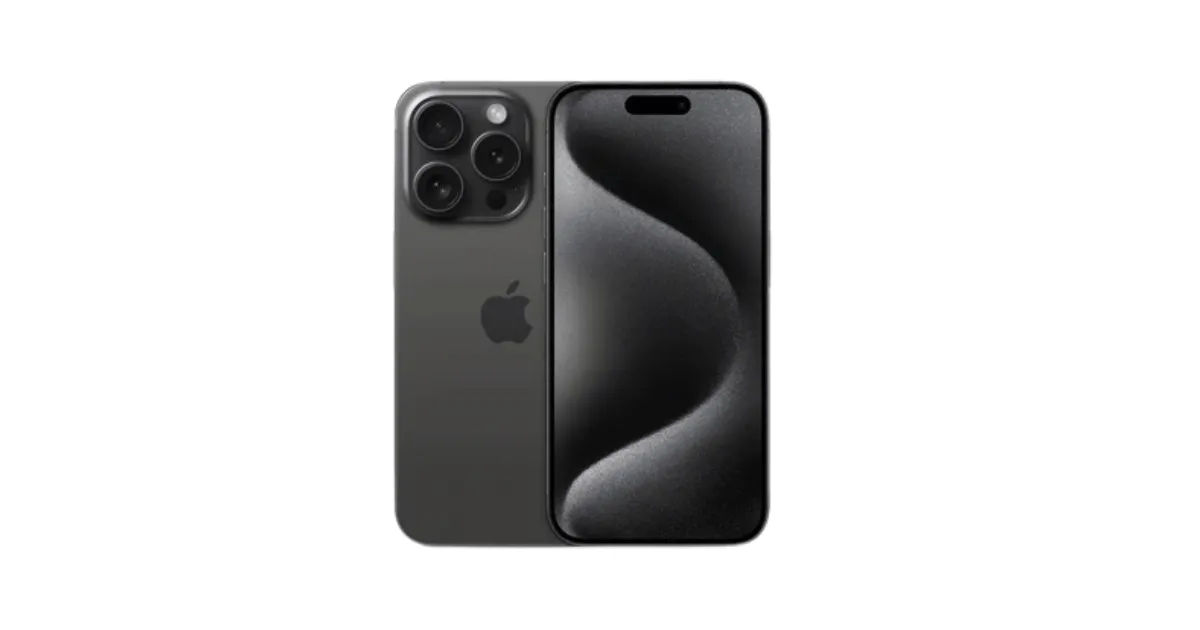
The answer is good news for most buyers: yes, in most cases, the iPhone 15 Pro Max sold in South Africa is unlocked. That means you can use it with different mobile networks instead of being tied to a single carrier. However, there are a few important details you should know before making your purchase.
Whether you're buying a brand-new device from an authorized retailer, purchasing through a mobile network contract, or considering a second-hand phone, understanding how unlocked iPhones work can help you avoid surprises. This guide explains everything you need to know in simple language.
What Does an Unlocked iPhone Mean?
An unlocked iPhone is a device that is not restricted to one mobile carrier. Instead, it can accept SIM cards from different networks.
For example, if you own an unlocked iPhone, you can easily switch between providers such as MTN, Vodacom, Telkom, Cell C, or other compatible carriers. This flexibility is especially useful if you travel often or want to change networks to find better prices or coverage.
Unlike carrier-locked phones, unlocked devices give users complete control over which network they choose.
Is the iPhone 15 Pro Max in South Africa Unlocked?
In most situations, yes. The iPhone 15 Pro Max in South Africa is generally sold unlocked, particularly when purchased from:
- Apple-authorized resellers
- Major electronics retailers
- Independent mobile phone stores
- Online technology retailers
These devices usually work with any compatible South African SIM card immediately after activation.
However, if you purchase the phone through a mobile contract, it's worth confirming whether the provider has placed any restrictions on the device.
Why Most South African iPhones Are Unlocked
South Africa has a competitive mobile market with multiple network providers. Consumers often switch between networks depending on:
- Coverage quality
- Monthly costs
- Promotional offers
- Data packages
- International roaming needs
Because of this competitive environment, many retailers prefer selling factory-unlocked phones that appeal to a wider audience.
This also increases the resale value of the phone later.
Factory Unlocked vs Carrier Unlocked
Many people confuse these terms, but there is a difference.
Factory Unlocked
A factory-unlocked phone comes directly from the manufacturer without any carrier restrictions.
Benefits include:
- Works with multiple carriers
- No unlocking requests needed
- Better resale value
- Easier international travel
Carrier Unlocked
Some phones are initially locked to a carrier but become unlocked after certain conditions are met.
These conditions may include:
- Completing the contract
- Paying off the device
- Requesting an unlock from the network
Understanding which type you're buying is important.
Buying From Apple-Authorized Retailers
Purchasing from an authorized retailer is usually the safest option.
Advantages include:
- Genuine products
- Manufacturer warranty
- Factory-unlocked devices in most cases
- Reliable customer support
- Original accessories
Always ask whether the phone is factory unlocked before completing your purchase.
Buying Through Mobile Network Contracts
Many South Africans purchase smartphones through monthly contracts.
When buying an iPhone 15 Pro Max in South Africa on contract, you should ask several questions.
These include:
- Is the phone network locked?
- Can it be unlocked later?
- Are there any unlocking fees?
- What happens after the contract ends?
Many providers now offer more flexible policies than they did years ago, but confirming beforehand prevents future issues.
How to Check if Your iPhone Is Unlocked
Fortunately, checking is easy.
Open:
Settings
↓
General
↓
About
↓
Look for:
Carrier Lock
If it says:
No SIM Restrictions
Your phone is unlocked.
If it shows a carrier name or restriction, your device may be locked.
Can You Use Any SIM Card?
If your phone is unlocked, yes.
You can insert SIM cards from:
- MTN
- Vodacom
- Telkom
- Cell C
- Rain (where compatible)
- International carriers
This flexibility is one of the biggest advantages of buying an unlocked phone.
Can You Use eSIM?
Yes.
The iPhone 15 Pro Max supports eSIM technology in supported markets.
Many South African carriers are gradually expanding eSIM support, allowing users to activate mobile service digitally without inserting a physical SIM card.
This makes switching providers even easier.
Benefits of Buying an Unlocked iPhone
Buying an unlocked device offers several practical advantages.
Freedom to Choose Networks
You're not tied to one carrier.
If another provider offers better prices or coverage, switching is simple.
Better Travel Experience
International travelers can purchase local SIM cards instead of paying expensive roaming charges.
Higher Resale Value
Buyers generally prefer unlocked phones because they work with more networks.
As a result, unlocked devices often sell faster and for higher prices.
Easier Upgrades
Changing providers doesn't require replacing your phone.
Does Being Unlocked Affect Performance?
No.
Whether your phone is locked or unlocked has no effect on:
- Camera quality
- Battery life
- Display
- Processor performance
- Software updates
- Security
The phone performs exactly the same.
Will Software Updates Still Work?
Absolutely.
Apple delivers software updates directly.
Whether your device is unlocked or locked does not affect:
- iOS updates
- Security patches
- New features
- App compatibility
You'll continue receiving updates normally.
Buying Second-Hand
If you're considering a used iPhone 15 Pro Max in South Africa, check several things before buying.
Ask the seller:
- Is it unlocked?
- Is Find My iPhone disabled?
- Is Activation Lock removed?
- Has it been repaired?
- Does Face ID work?
- Is the battery healthy?
Also test the phone with another network SIM if possible.
Signs a Phone May Be Locked
Watch for warning signs such as:
- Only works with one network
- SIM errors after inserting another carrier's card
- Seller cannot explain network status
- Activation problems
- Contract still active
If anything seems suspicious, ask for proof before purchasing.
Does Unlocking Void the Warranty?
Factory-unlocked phones do not have warranty issues because they are officially unlocked.
However, unofficial unlocking methods performed by unauthorized technicians may create problems.
Always choose legitimate unlocking options if needed.
Common Myths
Myth 1: Locked Phones Are Faster
False.
Network locking has nothing to do with processing speed.
Myth 2: Unlocked Phones Have Worse Battery Life
False.
Battery performance depends on usage, settings, and battery health—not carrier lock status.
Myth 3: Only Expensive Phones Are Unlocked
False.
Many phones across different price ranges are sold unlocked.
Can International iPhones Work in South Africa?
Usually yes.
Most international iPhone models support the cellular bands used in South Africa.
Still, before importing a device, verify:
- Network compatibility
- Warranty coverage
- Charger type
- Regional features
- eSIM support
Doing this avoids compatibility issues later.
Why Buyers Prefer Unlocked Devices
Consumer preferences have shifted significantly over the years.
Today's buyers value flexibility.
An unlocked phone allows them to:
- Change providers anytime
- Compare mobile plans
- Travel internationally
- Increase resale value
- Avoid unnecessary restrictions
These benefits explain why unlocked devices remain highly popular.
Questions to Ask Before Buying
Before purchasing an iPhone 15 Pro Max in South Africa, ask:
- Is this factory unlocked?
- Does it have any SIM restrictions?
- Is the warranty valid?
- Is the device new or refurbished?
- Can I test another SIM card?
- Is the IMEI clean?
- Are all original accessories included?
These simple questions can save you from costly mistakes.
Tips for Safe Buying
To protect yourself:
- Buy from reputable sellers.
- Request proof of purchase.
- Check the IMEI.
- Verify warranty information.
- Test all major features.
- Confirm battery health.
- Ensure Activation Lock is removed.
A few minutes of checking can prevent future headaches.
Conclusion
So, is the iPhone 15 Pro Max in South Africa unlocked? In most cases, yes. Phones purchased from reputable retailers and authorized sellers are typically factory unlocked, allowing you to use SIM cards from multiple mobile networks without restrictions. This flexibility makes it easier to switch providers, travel internationally, and enjoy a higher resale value in the future.
However, if you're purchasing through a mobile contract or buying a second-hand device, it's always wise to confirm the unlock status before completing the transaction. A quick check in the phone's settings or testing another SIM card can provide peace of mind.
Choosing an unlocked iPhone gives you greater freedom, convenience, and long-term value. By purchasing from trusted sources and verifying the device's condition, you can enjoy all the premium features of the iPhone 15 Pro Max without worrying about unnecessary network limitations.