
Category: Lifestyle & Fashion

How To Build A Capsule Wardrobe With Apparel?How To Build A Capsule Wardrobe With Apparel?

In a world overflowing with fleeting fashion trends and cluttered closets, the promise of a capsule wardrobe feels like a breath of fresh air. Imagine opening your wardrobe each morning and being greeted not by chaos, but by a carefully curated collection of versatile apparel that effortlessly matches, adapts, and empowers. Simplicity becomes the new luxury. The concept isn’t about owning less for the sake of scarcity; it’s about embracing more—more freedom, more style, more clarity in your daily choices.

Each piece in your collection is intentional, timeless, and tailored to your lifestyle. No wasted energy. No endless rummaging. Just refined confidence. The desire for elegance without excess is growing rapidly, echoed across global markets, from bustling city boutiques to ustradeent apparel movements that celebrate sustainable fashion. By constructing a capsule wardrobe, you’re not merely organizing your closet—you’re crafting a personal philosophy of balance and beauty.

Picture yourself stepping into any occasion with seamless ease, knowing your wardrobe works harmoniously for you. The time to act is now. Start building a capsule wardrobe today and transform the way you experience style—not as a burden, but as a liberating daily ritual.

What is a Capsule Wardrobe?

A capsule wardrobe is a thoughtfully curated collection of clothing items—usually around 30 to 50 pieces—that can be mixed and matched to create endless outfits. Instead of chasing trends or hoarding clothes, you focus on high-quality, versatile apparel that works across seasons and occasions.

The concept originated in the 1970s and was popularized by fashion icons who believed less is more. Today, it’s more relevant than ever in a world of fast fashion, cluttered closets, and growing awareness about sustainability.

At its core, a capsule wardrobe emphasizes:

  • Versatility – pieces that mix and match seamlessly.

  • Timelessness – classic designs that don’t go out of style.

  • Quality over quantity – fewer items, but longer-lasting.

  • Sustainability – mindful choices that reduce waste.

Why Build a Capsule Wardrobe?

1. Simplify Your Life

Decision fatigue is real. When your closet is overflowing, choosing an outfit feels like a chore. A capsule wardrobe eliminates the stress by offering curated apparel options that always look good together.

2. Save Money in the Long Run

It may feel counterintuitive, but investing in fewer, high-quality pieces saves you more money than splurging on endless fast-fashion trends that wear out quickly.

3. Elevate Your Personal Style

With a capsule wardrobe, you define your unique style rather than following every trend. This makes you instantly recognizable and consistent in your aesthetic.

4. Support Sustainability

Fast fashion contributes to pollution, waste, and unfair labor practices. Choosing a capsule wardrobe allows you to be intentional with your purchases, supporting ethical and sustainable apparel brands.

Step-by-Step Guide to Building a Capsule Wardrobe

Step 1: Assess Your Current Wardrobe

Before you start building, take everything out of your closet. Yes—everything. Spread it out where you can see it.

Ask yourself:

  • What pieces do I wear often?

  • Which items sit untouched?

  • What fits and flatters my body right now?

  • Do I love this, or am I keeping it out of guilt?

This exercise helps you understand your current style, your gaps, and your tendencies.

Step 2: Define Your Personal Style

Your capsule wardrobe should reflect you. Not what influencers are pushing, not what’s trending, but what makes you feel confident.

Create a mood board (Pinterest or physical) and look for themes. Are you drawn to neutral tones, bold prints, or minimalist tailoring? Identifying your aesthetic will guide your capsule decisions.

Pro Tip: Stick to a base color palette (like black, white, navy, or beige) with two to three accent colors to make mixing and matching effortless.

Step 3: Identify Your Lifestyle Needs

Your wardrobe should serve your life. Do you work in a corporate office? Do you work remotely? Are you a student or a busy parent? Your apparel must reflect reality, not fantasy.

Break your wardrobe needs into categories:

  • Workwear (blazers, trousers, dresses)

  • Casual wear (jeans, t-shirts, sweaters)

  • Activewear (leggings, sneakers, gym tops)

  • Occasion wear (dresses, suits, heels)

This ensures your capsule wardrobe doesn’t just look good but functions for your daily activities.

Step 4: Build a Capsule Wardrobe Foundation

Every capsule wardrobe starts with core apparel essentials—the timeless items that act as your base.

Must-Have Basics:

  • White button-down shirt

  • Neutral t-shirts (black, white, gray)

  • Well-fitted jeans (blue and black)

  • Black trousers or tailored pants

  • Blazer in a neutral color

  • Classic little black dress

  • Denim jacket or leather jacket

  • Neutral cardigan or pullover sweater

  • Comfortable sneakers

  • Black heels or versatile flats

These pieces are timeless and easily adaptable for different looks.

Step 5: Add Seasonal Apparel

Depending on your climate, you’ll want to incorporate seasonal staples.

  • Fall/Winter: trench coat, wool coat, ankle boots, knitwear, scarves.

  • Spring/Summer: linen shirts, sundresses, sandals, lightweight blazers.

Seasonal apparel ensures your capsule remains functional year-round without cluttering your wardrobe.

Step 6: Mix and Match Outfits

The real power of a capsule wardrobe lies in versatility. With just 30–40 pieces, you can create hundreds of outfit combinations.

Example:

  • Pair jeans with a blazer and sneakers for a casual workday.

  • Swap sneakers for heels, and you’re ready for dinner.

  • Use accessories (scarves, belts, jewelry) to transform simple looks into statement outfits.

Step 7: Prioritize Quality over Quantity

A capsule wardrobe works only if your clothes last. Invest in high-quality apparel made with durable fabrics. Look for:

  • Natural fibers (cotton, wool, silk, linen).

  • Strong stitching and finishes.

  • Ethical brands committed to sustainability.

Think of these purchases as investments, not expenses.

Step 8: Maintain Your Capsule Wardrobe

Once built, maintaining your wardrobe is key.

  • Follow the one in, one out rule: If you buy something new, remove an old piece.

  • Reassess every 3–6 months to ensure your wardrobe still serves your lifestyle.

  • Store items properly—hang blazers, fold knits, use shoe trees.

Tips for Building the Perfect Capsule Wardrobe

1. Stick to Neutral Colors

Neutrals are the backbone of a capsule wardrobe. They mix easily and ensure maximum outfit combinations.

2. Use Accessories Wisely

Accessories allow you to express personality without overloading your wardrobe. A single scarf, watch, or handbag can change an outfit’s vibe completely.

3. Don’t Chase Trends

Trendy pieces can be fun, but they quickly go out of style. Instead, keep your capsule timeless and add small seasonal items only if they truly fit your style.

4. Layer for Versatility

Layering is the secret to expanding outfit options. A simple turtleneck under a blazer or a dress over a shirt can create a whole new look.

Sample Capsule Wardrobe by Season

Spring Capsule

  • Light trench coat

  • White t-shirt

  • Cropped jeans

  • Linen dress

  • Neutral loafers

Summer Capsule

  • Linen shorts

  • Tank tops

  • Cotton sundress

  • Espadrilles

  • Lightweight blazer

Fall Capsule

  • Denim jacket

  • Knit sweaters

  • Midi skirt

  • Ankle boots

  • Neutral scarf

Winter Capsule

  • Wool coat

  • Turtlenecks

  • Black trousers

  • Chelsea boots

  • Chunky knit sweater

Common Mistakes to Avoid

  • Buying trendy items you’ll rarely wear.

  • Overstuffing your capsule wardrobe with duplicates.

  • Ignoring fit—clothes should flatter your body type.

  • Forgetting about lifestyle needs (don’t build a corporate wardrobe if you work from home).

The Role of Sustainable Apparel in a Capsule Wardrobe

A capsule wardrobe naturally aligns with sustainable apparel choices. By choosing durable, ethical clothing, you reduce waste and support brands that care about people and the planet. Look for certifications like:

  • GOTS (Global Organic Textile Standard).

  • Fair Trade.

  • OEKO-TEX Standard 100.

By prioritizing sustainable apparel, your wardrobe becomes both stylish and environmentally conscious.

Conclusion

Building a capsule wardrobe with apparel isn’t just about fashion—it’s about freedom, simplicity, and sustainability. By curating a collection of versatile, timeless pieces, you reclaim your mornings, save money, and project effortless style.

The process begins with self-reflection: understanding your current wardrobe, defining your style, and identifying your lifestyle needs. From there, you select your foundation essentials, layer in seasonal apparel, and mix and match to create countless outfits. Maintenance is simple, and the rewards are endless.

Most importantly, a capsule wardrobe helps you live with intention. Each piece tells a story of choice, not chance. And when you step out the door, you carry confidence—not clutter—with you.

Start small, build thoughtfully, and enjoy the transformation. Your dream wardrobe is already within reach—it just needs simplifying.
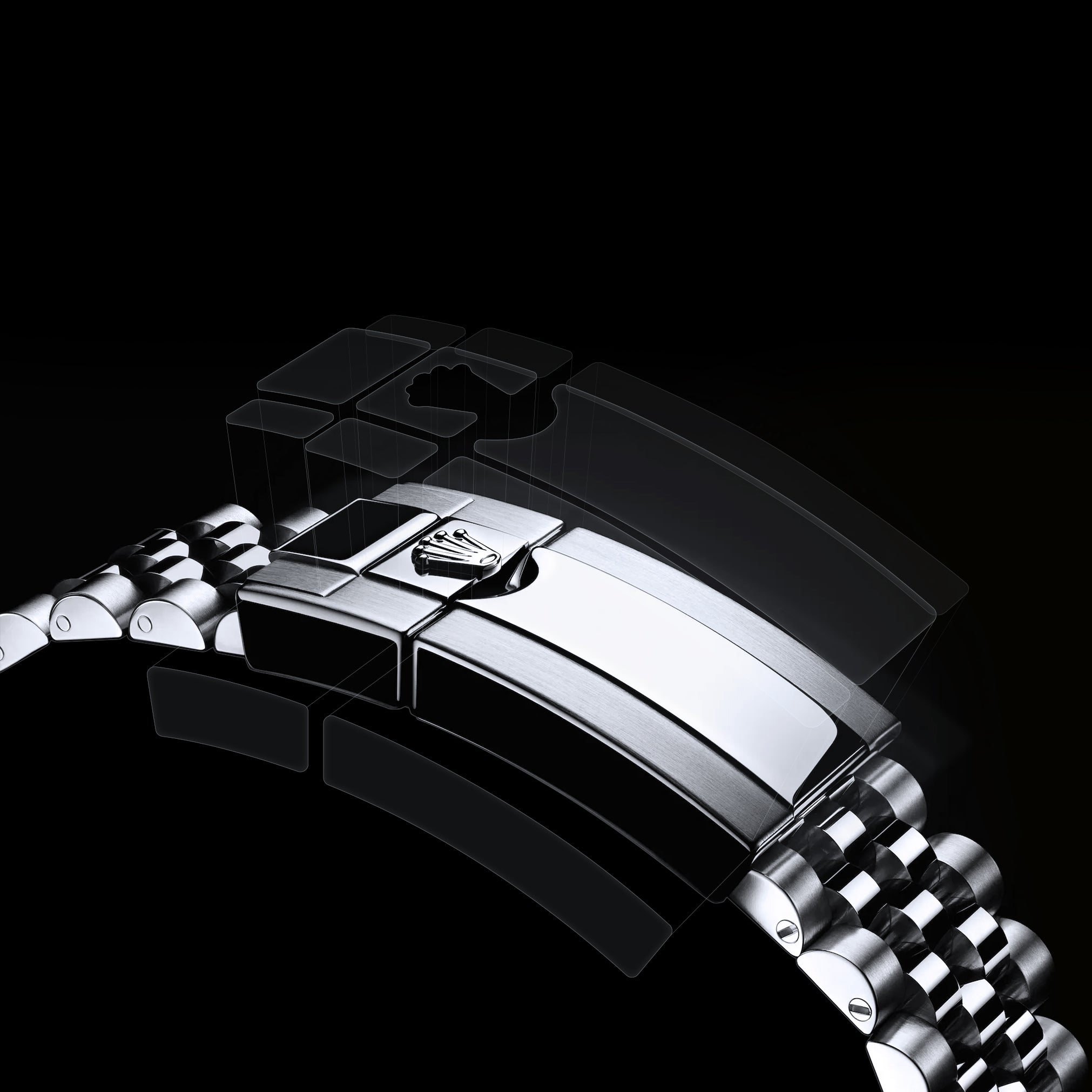
Review: Luxeguard Vs Watchshield For Rolex ProtectionReview: Luxeguard Vs Watchshield For Rolex Protection


When it comes to safeguarding your Rolex, two striking contenders in the commercialise are LuxeGuard and WatchShield. Both brands offer protective films designed to save the pristine condition of your horologe. However, they differ in material tone, application ease, and overall esthetics. This review delves into the features, pros, and cons of each to help you make an familiar decision.

LuxeGuard: Premium Protection with a Sleek Finish

Material Design

LuxeGuard caring films are crafted from high-quality materials studied to offer robust protection against scratches and nestlin abrasions. The films are preciseness-cut to fit various Rolex Protection models, ensuring a unseamed practical application. Their plan aims to wield the take in’s original esthetics while providing an additional level of defense.

Pros

Enhanced Scratch Resistance: The high-quality material offers first-class tribute against routine wear and tear.

Precision Fit: Each film is trim to specific Rolex models, ensuring a snug and secure fit.

Maintains Aesthetics: The transparent nature of the film ensures that the view’s original design stiff circumpolar.

Cons

Application Complexity: Some users have reported that applying the film can be thought-provoking, requiring solitaire and preciseness.

Potential for Residue: If not removed aright, the adhesive agent may result residual on the view’s rise up.

WatchShield: Advanced Technology for Comprehensive Protection

Material Design

WatchShield employs sophisticated materials to produce tender films that are not only serviceable but also tolerable to yellowing over time. Their films are designed to cater comp reportage, protecting various parts of the catch from potency damage. The practical application work is efficient, aiming to make it user-friendly.

Pros

Durability: The materials used are premeditated to withstand wear, offer long-lasting tribute.

User-Friendly Application: The design of the films allows for easier practical application, even for those with minimum see.

Comprehensive Coverage: WatchShield offers tribute for tenfold parts of the watch, ensuring all-around defense.

Cons

Visibility of Film Edges: Some users have noticeable that the edges of the film can be strong upon inspection.

Initial Cost: The sophisticated materials and comp coverage may come at a high terms target compared to other options.

Comparative Overview

Feature LuxeGuard WatchShield Material Quality High-quality, excise-resistant Advanced, durable, yellowing-resistant Application Ease Moderate(requires preciseness) Easy(user-friendly design) Aesthetic Impact Transparent, maintains aesthetics Transparent, but edges may be visible Coverage Model-specific parts Comprehensive, quintuple parts Price Point Moderate Higher Conclusion

Both LuxeGuard and WatchShield volunteer worthful tribute for your Rolex, each with its unique strengths. LuxeGuard is saint for those quest a premium, model-specific fit with a focus on on maintaining the catch’s original visual aspect. On the other hand, WatchShield caters to users looking for comprehensive reportage and ease of application, albeit at a high damage place. Your pick should ordinate with your priorities be it preciseness, ease of use, or comprehensive tribute.

What Are Custom Patches Made From?What Are Custom Patches Made From?

Imagine walking through a crowded street and spotting someone wearing a jacket with a vibrant embroidered design. Instantly, you know something about them—maybe their passion, their identity, or even the group they belong to. That’s the power of custom patches. They don’t just decorate fabric; they tell stories, represent communities, and showcase individuality.

Now, here’s the question: What exactly are these patches made from? If you’ve ever wondered about the materials, methods, and meaning behind custom patches, you’re in the right place.

This guide will take you deep into the world of custom patches, from the fabrics and threads to the backings and borders, so you’ll understand not only what they’re made of, but why they matter.


The Growing Popularity of Custom Patches

Why People Love Custom Patches

Over the years, custom patches have evolved from being just military insignias or scout badges to becoming a mainstream fashion and branding accessory. Today, they’re used by:

  • Businesses to promote brands

  • Clubs and organizations to identify members

  • Fashion designers to create bold statements

  • Individuals to showcase personal interests or achievements

They’re versatile, affordable, and carry a charm that no printed design can match.

The Connection Between Material and Quality

The secret to their durability, style, and texture lies in what they are made of. Every element—from the fabric base to the type of stitching—defines how a patch looks and feels.


The Core Components of Custom Patches

When breaking down what custom patches are made from, there are a few primary components:

  1. Base Fabric

  2. Thread

  3. Backing Options

  4. Borders/Edges

Let’s look at each in detail.


Base Fabrics for Custom Patches

The foundation of any patch lies in its fabric. Here are the most common fabrics used:

1. Twill Fabric

  • One of the most popular bases for custom patches.

  • Known for its smooth, durable weave.

  • Provides a great background for embroidery because it resists fraying and holds stitches firmly.

  • Available in a wide range of colors.

2. Felt

  • Soft and textured, giving patches a vintage or classic look.

  • Often used for school emblems, retro designs, or fashion-forward brands.

  • Slightly thicker and fuzzier than twill, making it stand out.

3. Polyester/Cotton Blends

  • Offers strength and flexibility.

  • Good for patches that need to endure frequent washing or outdoor wear.

4. Leather & Faux Leather

  • Provides a premium feel for custom patches.

  • Often laser-engraved instead of embroidered.

  • Perfect for luxury fashion labels and rugged outdoor brands.

5. Canvas

  • Strong, textured fabric.

  • Popular for custom patches that need a heavy-duty, rustic look.


The Color and Texture of Custom Patches

The next crucial component is thread. The choice of thread determines the look, durability, and even how a patch reacts to light.

Types of Threads Used in Custom Patches

1. Rayon Thread

  • Soft and shiny finish.

  • Adds a sleek, elegant look to custom patches.

  • Ideal for decorative or fashion-focused patches.

2. Polyester Thread

  • Strong, durable, and resistant to fading.

  • Perfect for patches that will face outdoor elements.

  • Retains color even after multiple washes.

3. Metallic Thread

  • Gives patches a sparkling, eye-catching effect.

  • Used for special edition or luxury patches.

4. Glow-in-the-Dark Thread

  • Unique and creative option.

  • Common for novelty patches or youth fashion.


Backing Options: How Patches Attach

The backing of a patch defines how it’s applied to clothing or fabric. Different backings serve different purposes:

1. Sew-On Backing

  • The most traditional method.

  • Involves stitching the patch directly onto fabric.

  • Offers permanent, secure placement.

2. Iron-On Backing

  • Features a heat-activated adhesive.

  • Allows users to apply patches with a simple household iron.

  • Convenient and widely popular.

3. Velcro Backing

  • Patches can be attached and removed easily.

  • Used by the military, police, or industries where frequent replacement is necessary.

4. Adhesive (Peel-and-Stick) Backing

  • Temporary solution for quick use.

  • Not as durable as sew-on or iron-on.

5. No Backing (Raw)

  • Leaves the patch flexible for professional tailoring or custom application.


Borders and Edges

The edge of a patch not only keeps it neat but also affects durability.

Types of Patch Borders

1. Merrowed Border

  • Rounded, stitched edge.

  • Best for simple shapes like circles, ovals, or rectangles.

  • Provides a classic patch look.

2. Hot-Cut Border

  • Laser-cut edge that follows the exact design.

  • Perfect for patches with irregular or detailed shapes.


Types of Custom Patches Based on Material

1. Embroidered Patches

  • Made with twill base and embroidered threads.

  • Classic, textured, and durable.

  • Most widely recognized form of custom patches.

2. Woven Patches

  • Made by weaving fine threads together.

  • Offers more detail than embroidery.

  • Smooth and thinner, almost like a piece of fabric art.

3. Chenille Patches

  • Uses thick, fuzzy yarn for a 3D, textured effect.

  • Popular for varsity jackets and sports teams.

4. PVC Patches

  • Made from soft, rubber-like material.

  • Waterproof, highly durable, and modern-looking.

  • Great for outdoor or tactical use.

5. Leather Patches

  • Crafted from genuine or faux leather.

  • Can be embossed, debossed, or engraved.

6. Sublimated (Printed) Patches

  • Made using heat-transfer printing.

  • Allows photo-realistic designs with unlimited colors.


The Manufacturing Process of Custom Patches

Understanding the process helps you appreciate the craftsmanship:

  1. Design Creation – A digital mockup is made.

  2. Material Selection – Fabric, thread, and backing are chosen.

  3. Embroidery/Woven/Printing Process – Machines or tools create the patch.

  4. Cutting and Bordering – Edges are shaped with merrow or hot-cut.

  5. Backing Application – Chosen backing is applied.

  6. Quality Check – Each patch is inspected before delivery.


Why Material Matters in Custom Patches

Choosing the right fabric, thread, and backing directly impacts:

  • Durability – Some materials withstand washing and weather better.

  • Aesthetics – Shiny threads, textured bases, or clean borders can elevate the design.

  • Application – The backing determines whether the patch is permanent or removable.

  • Cost – Premium materials like leather or metallic threads cost more but offer a luxury finish.


How to Choose the Right Type of Custom Patch

When deciding on custom patches, consider:

  • Purpose – Fashion, branding, military, or personal expression.

  • Environment – Outdoor vs. indoor use.

  • Longevity – Temporary fun vs. permanent attachment.

  • Budget – Embroidered patches may be more affordable than PVC or leather.


Practical Uses of Custom Patches

Branding & Marketing

Businesses use custom patches to add logos on uniforms or promotional items.

Fashion Industry

Designers incorporate patches to create unique apparel lines.

Clubs and Teams

Sports teams, biker clubs, and scouts proudly wear them for identity.

Military and Police

Patches signify rank, division, or achievements.

Personal Expression

Individuals use them to showcase hobbies, music tastes, or causes they support.


Maintenance of Custom Patches

To ensure patches last long:

  • Wash on gentle cycles.

  • Avoid direct ironing over the patch.

  • For iron-on patches, avoid frequent high-heat washes.

  • Store patches flat to prevent curling.


The Future of Custom Patches

With innovations like 3D embroidery, smart fabrics, and eco-friendly threads, the world of custom patches is evolving. Imagine patches that light up, interact with technology, or are made from sustainable materials—this is where the future is headed.


Conclusion

So, what are custom patches made from? They’re crafted from a blend of base fabrics like twill, felt, canvas, or leather; threads ranging from rayon to polyester to metallic; and supported by different backings such as sew-on, iron-on, or Velcro. Borders give them strength, and styles range from embroidered to PVC to woven and beyond.

Ultimately, the materials chosen depend on the purpose, aesthetic, and durability required. Whether you’re a business looking to brand uniforms, a fashion designer aiming for a statement piece, or an individual expressing identity, custom patches give you the perfect balance of creativity and durability.

The beauty of custom patches lies not just in their look, but in their ability to connect people with meaning, pride, and personality stitched—or printed—into every detail.

The Art Of Fragrancy The Enchanting Earthly Concern Of PerfumesThe Art Of Fragrancy The Enchanting Earthly Concern Of Perfumes

Perfumes have been an requirement aspect of homo bon ton for thousands of years, bewitching our senses, sparking memories, and even qualification statements about our subjective identity. Originating from the Latin’per fume,’ which substance’through smoke,’ perfumes have not only been used for subjective training but also for religious rituals and medicinal purposes across different cultures.

Over time, the scent industry has evolved drastically. Initially perfumes were made using pure natural ingredients like herbs, spices, and essential oils. Now, a intermix of synthetic and natural materials crafts the exquisite range of fragrances we have available nowadays. It’s intriguing to note how perfumery has become an intricate art that combines alchemy, creativeness, and an understanding of human being psychological science.

The process of creating a perfume comprises of three key stages the Top note, the Heart note, and the Base note. Each of these stages corresponds to the different scents you perceive as the scent easy evaporates from your skin. The Top note, also known as the head note, is the lightest of all notes and evaporates the fastest, usually within 15 minutes. Following the Top note, we encounter the Heart note, the core of the قیمت ادکلن لالیک مشکی اصل فرانسه s scent. Lastly, the Base note, the final examination represent, lingers the longest and creates the lasting stamp.

The exteroception messages that perfumes send can greatly based on the penning of the redolence. Floral perfumes, defined by notes of rose, jasmine, or lily, are often labeled as romantic and soft. On the other hand, Oriental perfumes are famous for their warm and exotic features. Woody perfumes engage with notes such as sandalwood or cedar, embodying a warm, uninhibited scent, perceived often as stressed. Then there are Fresh fragrances that scents of fresh grass over, ocean breeze or citrus tree fruits, symbolizing revitalizing and vigorous attributes.

More than just a perfume, perfumes hold memories and convey emotions. They are an unseen yet haunting appurtenance that raise our image. One sniff out can channelize us back in time, recollect a favored one, or even elate our mood. It’s bewitching how this tiny feeding bottle is not just a mixture of odoriferous oils, but a vessel carrying stories and emotions, qualification them an inalienable part of our lives.

In termination, perfumes are a sophisticated intermingle of art, chemistry, and emotions. As Coco Chanel once said,”A fair sex who doesn’t wear perfume has no hereafter,” underscoring the unchanged tempt and the behavioural superpowe of perfumes. They are the ultimate subjective instruction, a will to the fact that sense of smell is our most instinctual sense, altogether testifying perfume’s long-suffering tempt.

How To Tie Dye T Shirts At Home Easily?How To Tie Dye T Shirts At Home Easily?

Are you tired of the same boring Men's T Shirts in your wardrobe? Do you wish to add a splash of color, creativity, and uniqueness to your clothing without spending a fortune? Imagine wearing a shirt that’s not only stylish but also a personal masterpiece—designed entirely by you. That’s the magic of tie-dye!

Tie-dyeing is not just a fashion trend; it’s an art form that allows you to express your personality through vivid colors and striking patterns. Whether it’s for casual wear, summer parties, or gifting, Men's T Shirts with unique tie-dye designs stand out in a crowd. And the best part? You don’t need to be a professional to create something stunning. With a few simple supplies and a little creativity, you can transform plain shirts into wearable art.

Imagine the satisfaction of seeing friends admire your one-of-a-kind Men's T Shirts, asking where you bought them, only to reveal, “I made it myself!” Tie-dyeing at home gives you total control over colors, patterns, and styles. You can experiment with rainbow spirals, bold stripes, or subtle pastel designs that reflect your mood and personality. By the end of this guide, you’ll not only know how to tie dye t shirts at home easily but also gain the confidence to create an entire collection of custom, eye-catching shirts.

Ready to unleash your inner designer and start tie-dyeing your Men's T Shirts today? Grab your plain shirts, pick your favorite colors, and follow this step-by-step guide to create vibrant, professional-looking tie-dye designs right from the comfort of your home.


What You Need to Tie Dye Men's T Shirts at Home

Before diving into the techniques, it’s crucial to gather the right supplies. Having everything on hand makes the process smoother, safer, and more enjoyable.

Essential Supplies

  1. Plain White or Light-Colored T-Shirts

    • Choose 100% cotton Men's T Shirts for the best results as cotton absorbs dye well and ensures vibrant colors. Avoid blends with polyester as the dye may not adhere properly.

  2. Tie-Dye Kits or Fabric Dyes

    • A commercial tie-dye kit is beginner-friendly and usually comes with squeeze bottles, rubber bands, gloves, and instructions.

    • If using separate fabric dyes, ensure they are suitable for cotton and other natural fabrics.

  3. Rubber Bands

    • Rubber bands create the sections that form unique patterns. Different tightness and placement of bands lead to different designs.

  4. Plastic Squeeze Bottles

    • Squeeze bottles help control dye placement, preventing unwanted color bleeding.

  5. Plastic Table Cover or Garbage Bags

    • Protect your workspace to avoid staining tables and floors.

  6. Gloves

    • Protect your hands from strong dyes.

  7. Buckets or Bowls

    • For pre-soaking shirts in soda ash solution (if required) to enhance color absorption.

  8. Plastic Bags or Plastic Wrap

    • For letting dyed Men's T Shirts set and absorb color without drying out.


Preparing Your Men's T Shirts for Tie-Dye

Step 1: Pre-Wash Your Shirts

Wash your Men's T Shirts to remove sizing, dirt, or oil that could prevent the dye from sticking evenly. Avoid using fabric softeners as they may create a barrier between the dye and fabric.

Step 2: Soak in Soda Ash Solution (Optional)

Some dyes recommend pre-soaking shirts in a soda ash solution for 15-20 minutes. This helps the dye bond with the fabric for richer, longer-lasting colors.

Step 3: Wring Out Excess Water

After pre-soaking, wring out the shirts so they are damp, not dripping. Damp fabric absorbs dye better and reduces color bleeding.


Techniques to Tie Dye Men's T Shirts at Home

There are numerous tie-dye techniques, each giving a unique pattern. Here’s a breakdown of the most popular ones:

1. Spiral Tie-Dye

Materials Needed:

  • Plain Men's T Shirts

  • Rubber bands

  • Dye bottles

  • Gloves

Steps:

  1. Lay the shirt flat on a clean surface.

  2. Pinch the center of the shirt and twist it into a tight spiral.

  3. Secure the spiral with rubber bands crossing the shirt like pie slices.

  4. Apply different dye colors to each section.

  5. Wrap the shirt in plastic and let it set for 6-8 hours or overnight.

  6. Rinse and wash as instructed.

Tip: Spirals work best with 3-5 bright colors to create a rainbow effect.


2. Bullseye Tie-Dye

Materials Needed:

  • Rubber bands

  • Dye

  • Plain Men's T Shirts

Steps:

  1. Pinch a point on the shirt where you want the center of the bullseye.

  2. Pull the fabric up and secure at intervals with rubber bands.

  3. Apply different dye colors between each band section.

  4. Wrap and let it set for the required time.

Tip: The tighter the rubber bands, the more defined the white lines will be.


3. Stripes Tie-Dye

Steps:

  1. Fold the shirt accordion-style horizontally or vertically.

  2. Secure with rubber bands at intervals.

  3. Apply dyes in the open sections.

  4. Let set and rinse.

Tip: Horizontal folds create classic stripe patterns, while vertical folds give a unique linear effect.


4. Crumple or Scrunch Tie-Dye

Steps:

  1. Lay the shirt flat and randomly scrunch the fabric into a ball.

  2. Secure lightly with rubber bands if needed.

  3. Apply dye randomly over the surface.

  4. Wrap and allow to set.

Tip: This creates a soft, marbled, or “cosmic” look, ideal for subtle color blends.


5. Heart Shape Tie-Dye

Steps:

  1. Fold the shirt in half.

  2. Draw half a heart on the folded side with a washable marker.

  3. Pinch along the outline and secure with rubber bands.

  4. Apply dye carefully along the sections.

  5. Let it set and rinse.

Tip: Perfect for gifting personalized Men's T Shirts with a heart motif.


Choosing the Right Colors for Your Shirts

Color choice can make or break your design. Here’s a quick guide:

  • Primary Colors: Red, blue, yellow – create bright, bold designs.

  • Secondary Colors: Green, orange, purple – mix primary colors for new shades.

  • Pastel Colors: Mix with white dye or water – subtle and soothing.

  • Monochrome: Different shades of one color – modern and stylish.

Pro Tip: Complementary colors (like blue and orange) make patterns pop. Avoid colors too similar in tone as they may blend into muddy hues.


Dye Application Tips

  • Apply dye generously but strategically to avoid patches.

  • Use different bottles for each color to prevent cross-contamination.

  • Turn the shirt while applying dye to cover all folds and sections.

  • Wear old clothes or an apron to prevent staining yourself.


Setting and Rinsing Your Tie-Dye Men's T Shirts

Step 1: Let the Dye Set

  • Wrap dyed shirts in plastic wrap or place in a plastic bag.

  • Allow them to sit for at least 6-8 hours, preferably overnight, for the dye to fully absorb.

Step 2: Rinse Properly

  • Rinse shirts in cold water to remove excess dye.

  • Start with rubber bands on, then carefully remove them.

  • Continue rinsing until the water runs clear.

Step 3: Wash and Dry

  • Wash the shirt separately in cold water with a mild detergent.

  • Air dry or tumble dry on low heat.

  • Your tie-dye Men's T Shirts are now ready to wear!


Caring for Tie-Dye Shirts

Proper care keeps your Men's T Shirts vibrant for longer:

  • Wash in cold water separately for the first few washes.

  • Avoid bleach or harsh detergents.

  • Hang dry when possible to prevent color fading.

  • Turn inside out while washing to maintain brightness.


Troubleshooting Common Tie-Dye Problems

1. Colors Are Dull

  • Ensure shirts are pre-soaked properly in soda ash solution.

  • Apply dye generously and allow enough setting time.

2. Colors Bleeding

  • Wrap tightly and set as instructed.

  • Avoid using too much water during initial rinse.

3. Uneven Patterns

  • Experiment with tighter or more strategic rubber band placement.

  • Practice folding techniques before applying dye.


Fun Tips and Creative Ideas

  • Combine tie-dye with Men's T Shirts fabric paints for extra effects.

  • Use stencils for logos, initials, or custom designs.

  • Make matching tie-dye sets for family or friends.

  • Experiment with ombre effects for a gradient look.


Benefits of Tie-Dyeing at Home

  1. Cost-Effective – Turn plain Men's T Shirts into fashionable pieces at a fraction of retail prices.

  2. Personalized Style – Express individuality with custom designs.

  3. Eco-Friendly – Use old shirts and reduce waste.

  4. Therapeutic – Creative and relaxing activity.

  5. Perfect Gifts – Personalized, handmade shirts make thoughtful presents.


Conclusion

Tie-dyeing is a fun, creative, and rewarding activity that allows you to transform simple Men's T Shirts into wearable art. With basic supplies, some patience, and a willingness to experiment, anyone can achieve vibrant, professional-looking designs at home. Whether you prefer spirals, stripes, crumples, or heart shapes, tie-dye offers endless possibilities for self-expression and personal style.

By following this comprehensive guide, you now have all the tools, tips, and techniques needed to confidently create your own unique Men's T Shirts collection. The satisfaction of wearing a shirt you designed yourself is unparalleled, and the vibrant colors and creative patterns will surely make a statement wherever you go.

So grab your plain shirts, dyes, and rubber bands today, and start your tie-dye journey. Remember, the more you experiment, the more you’ll refine your skills and develop your signature tie-dye style. Enjoy the process, embrace creativity, and make every Men's T Shirt a personal masterpiece.