
What is the History of Pakistani Fashion?What is the History of Pakistani Fashion?
Pakistani Fashion has a rich and diverse history that reflects the country's cultural heritage, regional traditions, and evolving modern trends.
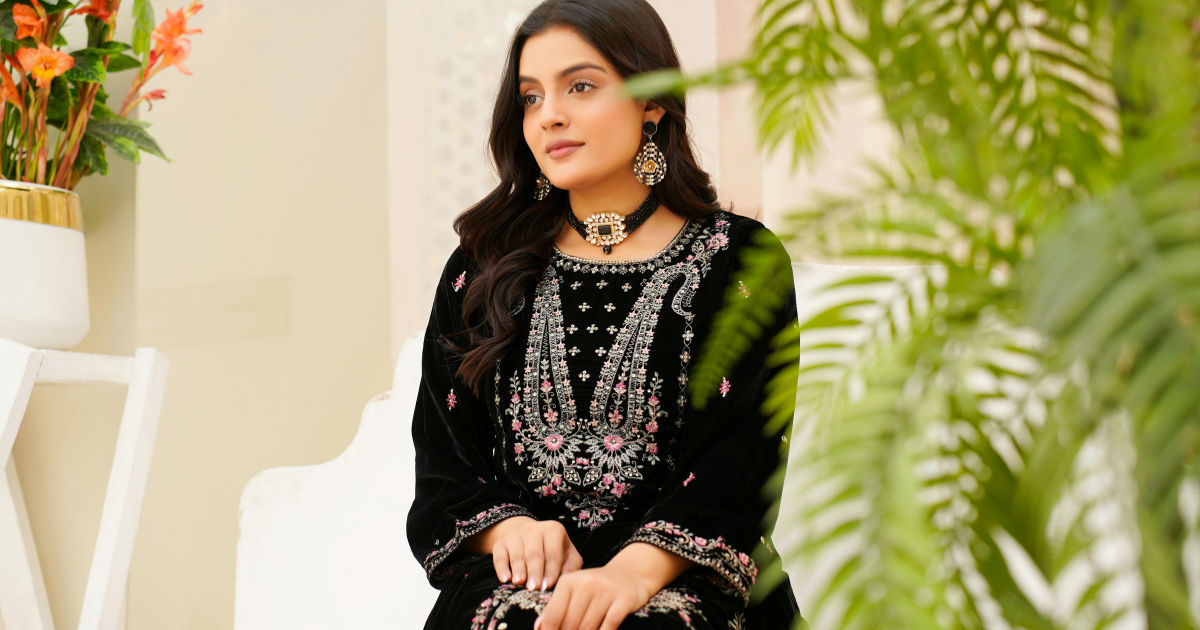
From traditional clothing passed down through generations to the emergence of contemporary designers, Pakistani Fashion is a unique blend of culture, artistry, and global influences, as showcased on nani je.
Understanding the history of Pakistani Fashion helps us appreciate how clothing has not only been a necessity but also a symbol of identity and expression.
Early Influences on Pakistani Fashion
The history of Pakistani Fashion begins with the ancient civilizations that inhabited the region, such as the Indus Valley Civilization (around 3300–1300 BCE). Evidence from archaeological discoveries shows that people wore clothing made from cotton, wool, and animal skins. Simple draped garments were common, reflecting both the climate and social practices of the time.
As centuries passed, the region saw invasions and migrations from Persians, Greeks, Arabs, and Central Asians. Each of these groups influenced clothing styles, fabrics, and jewelry. For example, the Arab influence introduced intricate embroidery and modest styles, while Central Asian traditions brought in heavier fabrics and fur-lined garments for colder areas.
Mughal Era and Its Impact on Pakistani Fashion
The Mughal era (1526–1857) played a significant role in shaping Pakistani Fashion. Mughals brought luxurious fabrics like silk, velvet, and brocade to the region. Their clothing was characterized by elaborate embroidery, gold and silver threads, and detailed patterns. Women wore long flowing gowns called “jama” and “angarkha,” often paired with ornate jewelry. Men commonly wore sherwanis, turbans, and embroidered waistcoats.
During this period, the art of hand embroidery, including zardozi and gota work, became highly developed. The Mughal influence also contributed to the popularity of vibrant colors, floral motifs, and delicate patterns that are still evident in Pakistani Fashion today.
Regional Diversity in Pakistani Fashion
Pakistani Fashion is not uniform; it varies significantly across regions due to different climates, cultures, and traditions.
Punjab
In Punjab, the traditional attire includes the shalwar kameez for both men and women. Women also wear colorful dupattas with intricate embroidery. Bright colors, mirror work, and floral patterns are hallmarks of Punjabi fashion.
Sindh
Sindhi fashion is famous for its vibrant and artistic designs. Ajrak prints, a traditional block-printed fabric, and elaborate mirror embroidery are commonly seen. Sindhi women often wear lehengas and embroidered blouses for special occasions.
Balochistan
Balochi fashion is known for its heavy, handcrafted embroidery. The dresses are often made from darker shades and decorated with intricate geometric patterns. Balochi men typically wear baggy shalwar kameez with a turban.
Khyber Pakhtunkhwa
In Khyber Pakhtunkhwa, traditional dress includes the shalwar kameez, often in neutral or darker shades. Woolen shawls and hand-knitted caps are common due to the colder climate. Embroidery styles here tend to be simpler but very durable.
Northern Areas
The northern regions of Pakistan, including Gilgit-Baltistan, have a unique fashion culture. Wool, pashmina, and other warm fabrics dominate clothing styles due to the cold climate. Traditional dresses often include long tunics and thick shawls.
Colonial Period and Western Influences
During British colonial rule (1858–1947), Pakistani Fashion experienced significant changes. Western-style clothing, such as coats, trousers, and formal shirts, began to influence urban populations. However, traditional attire like shalwar kameez and sarees remained widespread, particularly in rural areas.
Western influences also introduced new tailoring techniques and synthetic fabrics, making clothing more accessible to different social classes. Educated elites in cities like Karachi, Lahore, and Islamabad began combining traditional Pakistani elements with Western designs, giving rise to early modern Pakistani Fashion.
Pakistani Fashion After Independence
After the creation of Pakistan in 1947, the country started to define its own cultural identity, and Pakistani Fashion played a key role in this process. Clothing became a symbol of national pride, blending traditional styles with new inspirations.
The 1950s and 1960s saw the rise of formal wear and bridal fashion that mixed Mughal designs with contemporary aesthetics. The 1970s and 1980s brought more experimentation with colors, fabrics, and fusion styles, reflecting global fashion trends while retaining Pakistani roots.
During this time, Pakistani designers started gaining recognition, and fashion magazines and events helped spread modern Pakistani Fashion to a wider audience. Television and cinema also influenced popular clothing styles, making certain patterns, fabrics, and colors fashionable nationwide.
Modern Pakistani Fashion
Today, Pakistani Fashion is a thriving industry that balances tradition and innovation. Designers combine heritage textiles like silk, chiffon, and cotton with modern cuts, patterns, and embellishments. International exposure through fashion weeks and social media has given Pakistani Fashion a global audience.
Bridal Fashion
Bridal wear remains a highlight of Pakistani Fashion. Heavy embroidery, sequins, beads, and vibrant colors are the main features of bridal dresses. Designers create unique ensembles that reflect both cultural heritage and modern style.
Casual and Everyday Wear
The shalwar kameez continues to be the most popular daily attire. Modern versions include simpler designs, lighter fabrics, and a variety of cuts suitable for comfort and style. Western-style clothing, like jeans and shirts, is also common in urban areas, often paired with traditional accessories.
Men's Fashion
Pakistani Fashion for men has evolved beyond traditional shalwar kameez and sherwanis. Contemporary men’s fashion includes waistcoats, tailored suits, and fusion designs that are suitable for weddings, work, and casual occasions. Embroidery and patterns on men’s clothing have become more subtle but remain culturally significant.
Influential Pakistani Fashion Designers
Several Pakistani designers have shaped the modern Pakistani Fashion scene:
-
Sana Safinaz – Known for luxury prêt-à-porter and bridal collections with a blend of contemporary and traditional styles.
-
Deepak Perwani – Famous for bold colors, intricate embroidery, and modern cuts in bridal and formal wear.
-
HSY (Hassan Sheheryar Yasin) – A pioneer in Pakistani bridal fashion, combining Mughal influences with modern elegance.
-
Maria B – Popular for daily wear and bridal fashion, focusing on vibrant colors and comfortable designs.
These designers and many others have helped Pakistani Fashion gain international recognition while preserving its cultural essence.
Pakistani Fashion and Cultural Significance
Pakistani Fashion is more than just clothing; it represents cultural identity, regional pride, and social status. Traditional attire often tells a story about the wearer’s background, region, and sometimes even marital status. Festivals, weddings, and religious occasions provide opportunities for showcasing the diversity of Pakistani Fashion.
Fashion also serves as a medium for artistic expression. Embroidery, block printing, and handwoven fabrics highlight the craftsmanship of artisans who have been passing down their skills for generations.
Global Recognition of Pakistani Fashion
In recent years, Pakistani Fashion has gained global attention. Designers showcase their collections at international fashion weeks in London, New York, and Dubai. Celebrities and social media influencers have further amplified the visibility of Pakistani Fashion, highlighting its elegance, diversity, and craftsmanship.
Moreover, Pakistani Fashion has contributed to the global appreciation of South Asian culture. Traditional techniques like zardozi, chikankari, and ajrak printing are now recognized and respected worldwide.
Challenges and Future of Pakistani Fashion
While Pakistani Fashion is growing rapidly, it faces challenges such as maintaining sustainability, supporting local artisans, and balancing tradition with modernity. Fast fashion and imported brands sometimes overshadow local talent, but there is a growing movement to promote eco-friendly and ethically made clothing.
The future of Pakistani Fashion looks promising. With the rise of digital platforms, e-commerce, and international collaborations, designers have more opportunities than ever to showcase their work globally. Pakistani Fashion continues to evolve while preserving its rich history, ensuring that tradition and modernity coexist beautifully.
Conclusion
The history of Pakistani Fashion is a journey through time, reflecting the region’s rich cultural heritage, regional diversity, and modern innovation. From the early influences of ancient civilizations and the Mughal era to colonial impact and post-independence evolution, Pakistani Fashion has grown into a dynamic and globally recognized industry.
Traditional techniques like embroidery, handloom weaving, and block printing continue to hold a significant place, while contemporary designers push boundaries to create modern, stylish, and culturally rooted clothing. Pakistani Fashion is not just about clothing; it is a reflection of identity, artistry, and the ever-changing tastes of society.
As Pakistan moves forward, Pakistani Fashion will continue to celebrate its past while embracing the future, remaining a vital part of the country’s cultural and social fabric. The journey of Pakistani Fashion shows that clothing is more than necessity—it is history, art, and expression rolled into one.