
When searching for help with addiction or recovery, many people type “inpatient rehab near me” into their search engine. This is because inpatient rehab offers around-the-clock care, which can be essential for individuals who require constant monitoring and support.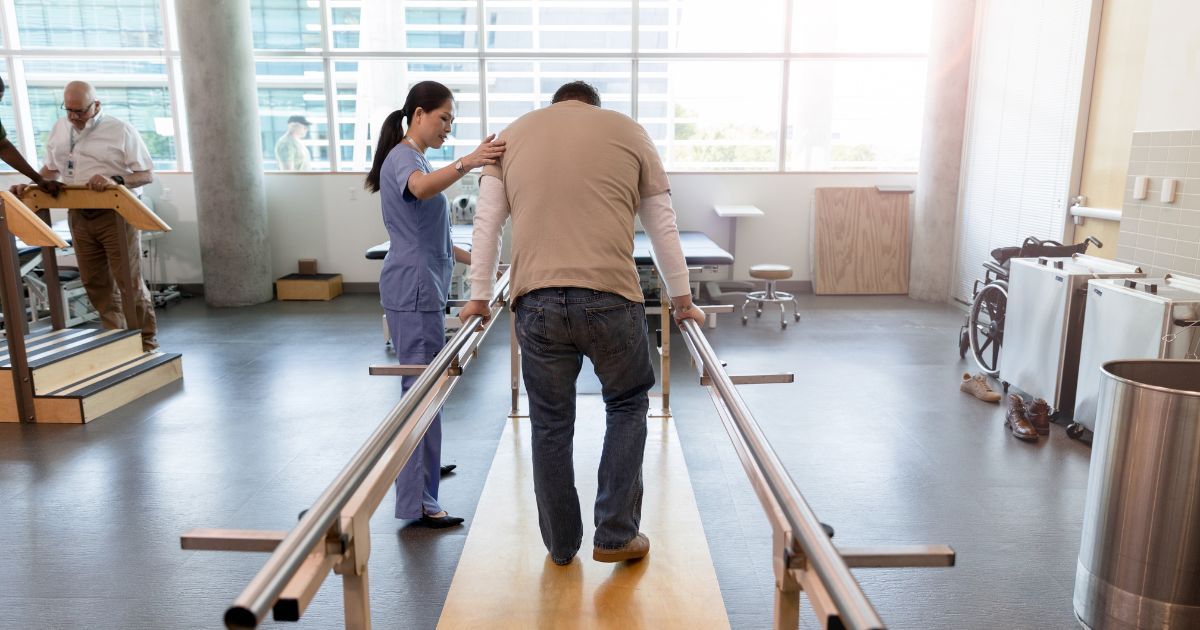
While outpatient programs and self-help groups can be beneficial, some situations demand continuous medical attention. Understanding why 24/7 medical support matters in rehab is critical for patients and their families when making recovery decisions.
In this comprehensive guide, we will explore the reasons behind the importance of continuous medical supervision in rehabilitation, the types of conditions and risks involved, the benefits of inpatient rehab near me, and how to find a suitable facility.
24/7 Medical Support in Rehab
Rehabilitation centers are not all the same. Some offer only scheduled therapy sessions, while others provide full-time medical supervision. 24/7 medical support means that trained healthcare professionals are available at all times to monitor patients’ physical and mental health, respond to emergencies, and adjust treatment plans as needed.
This level of care is particularly important for individuals recovering from severe addictions, chronic medical conditions, or mental health disorders. Inpatient rehab programs provide this kind of environment, making them a safer choice for many people who cannot manage recovery alone.
Why Continuous Monitoring Is Essential
Preventing Medical Complications
Withdrawal from substances like alcohol, opioids, or benzodiazepines can be life-threatening. Symptoms such as seizures, extreme anxiety, hallucinations, and cardiac complications can occur without warning. Having 24/7 medical support ensures that medical staff can intervene immediately if dangerous symptoms appear.
Even in cases of mental health treatment, patients may experience sudden mood swings, self-harm urges, or severe panic attacks. Continuous monitoring allows staff to identify and address these situations promptly.
Personalized and Immediate Care
Every patient’s body and mind react differently during rehab. Some may experience severe withdrawal, while others face emotional crises. A round-the-clock medical team can tailor interventions to meet individual needs in real time, adjusting medications, therapy schedules, or care routines as required.
Immediate access to medical care reduces risks, improves recovery outcomes, and provides peace of mind for both patients and their families.
Supporting Co-Occurring Conditions
Many individuals entering rehab have co-occurring medical or mental health conditions such as diabetes, hypertension, depression, or anxiety disorders. These conditions can complicate recovery if not managed properly.
24/7 medical supervision ensures that any flare-ups or complications are treated quickly. Staff can monitor vital signs, administer medications, and coordinate care with specialists. This is particularly important because unmanaged co-occurring conditions can undermine recovery efforts.
The Role of Inpatient Rehab
Inpatient rehab facilities, often found by searching “inpatient rehab near me,” provide structured programs with constant medical support. Unlike outpatient programs, which allow patients to return home after sessions, inpatient facilities keep patients under continuous care.
Safe Environment
Inpatient settings create a safe and controlled environment. This removes patients from triggers and stressors that may lead to relapse. With medical staff on-site 24/7, patients have immediate access to help if withdrawal symptoms or emotional crises arise.
Structured Daily Routine
A consistent schedule of therapy, medical check-ins, group sessions, and recreational activities helps patients focus on recovery. The presence of medical professionals ensures that patients follow treatment plans safely and effectively.
Immediate Response to Emergencies
Medical emergencies can happen at any time. Inpatient rehab ensures that staff can respond instantly to emergencies like overdose, suicidal thoughts, or severe withdrawal symptoms. This reduces the risk of long-term damage or fatal outcomes.
Key Benefits of 24/7 Medical Support
Reduces Risk of Relapse
Constant supervision minimizes the chance of relapse by providing immediate intervention when cravings or triggers arise. Patients are also less likely to hide symptoms, knowing medical staff are available around the clock.
Provides Emotional and Psychological Safety
Recovery is not only physical but emotional. Patients often experience intense stress, anxiety, or depression during rehab. 24/7 support offers reassurance and a safe space for expressing feelings, helping prevent emotional crises from escalating.
Ensures Proper Medication Management
Many patients in rehab require medications to manage withdrawal symptoms or mental health conditions. Continuous monitoring ensures proper dosing and timely adjustments. This reduces side effects, prevents misuse, and supports steady recovery.
Improves Long-Term Recovery Outcomes
Studies show that patients with access to continuous medical supervision in rehab are more likely to complete programs and maintain long-term sobriety. The combination of structured care, immediate intervention, and emotional support creates a strong foundation for lasting recovery.
Who Should Consider Inpatient Rehab with 24/7 Support
Not every patient requires full-time medical supervision. However, certain individuals benefit greatly from inpatient care with 24/7 support. These include:
-
Severe addiction cases: Those addicted to alcohol, opioids, or other substances with dangerous withdrawal symptoms.
-
Individuals with co-occurring disorders: Patients managing both addiction and mental health conditions like anxiety, depression, or PTSD.
-
Previous relapses: People who have attempted recovery multiple times without success.
-
High-risk behaviors: Individuals prone to self-harm, suicidal thoughts, or severe emotional outbursts.
-
Medical complications: Patients with chronic illnesses that require careful monitoring during withdrawal.
In these cases, searching for “inpatient rehab near me” can help families locate facilities equipped to provide constant medical support.
How Medical Staff Support Recovery
Doctors and Nurses
Physicians and nurses oversee medical care, administer medications, monitor vital signs, and respond to emergencies. Their presence ensures that physical health needs are met while focusing on safe withdrawal and recovery.
Therapists and Counselors
Psychologists, addiction counselors, and social workers provide emotional support, individual therapy, and group sessions. They help patients develop coping skills, manage triggers, and work through mental health challenges.
Support Staff
Rehab facilities also include support staff such as dietitians, activity coordinators, and peer mentors. These professionals contribute to overall wellness, ensuring patients receive holistic care that supports both body and mind.
Choosing the Right Inpatient Rehab Facility
When looking for an inpatient rehab program with 24/7 medical support, consider the following:
-
Accreditation and Licensing: Ensure the facility meets legal and professional standards.
-
Medical Staff Availability: Confirm that trained medical staff are available around the clock.
-
Treatment Programs: Look for programs that offer individualized care, therapy options, and holistic support.
-
Safety Measures: Check for protocols related to emergencies, medication management, and patient security.
-
Family Involvement: Some programs offer family therapy or regular updates, which can enhance support networks.
-
Location and Accessibility: Searching “inpatient rehab near me” helps identify facilities that are convenient for both patients and families.
Visiting the facility, reading reviews, and speaking with staff can also help determine whether it is a good fit.
Common Myths About 24/7 Medical Support in Rehab
Myth 1: Only Severe Cases Need Constant Monitoring
While it is true that the most severe cases benefit most, even moderate addictions or mental health challenges can escalate without warning. Continuous support can prevent complications and improve outcomes.
Myth 2: Inpatient Rehab Is Too Restrictive
Structured programs are designed to provide safety and focus, not to punish patients. Many individuals find the routine, supervision, and therapy sessions highly beneficial.
Myth 3: Outpatient Programs Are Equally Effective
Outpatient care works for some patients, especially those with strong support systems. However, without 24/7 monitoring, risks like relapse, medical emergencies, or unaddressed mental health crises remain higher.
Supporting Long-Term Recovery After Inpatient Rehab
24/7 medical support during inpatient rehab lays the foundation for long-term recovery. However, ongoing care is essential. Strategies include:
-
Outpatient Follow-Up: Many patients transition to outpatient programs for continued therapy and medical supervision.
-
Support Groups: Peer support, such as 12-step programs or group counseling, reinforces recovery.
-
Healthy Lifestyle Choices: Nutrition, exercise, and stress management play key roles in maintaining sobriety.
-
Regular Medical Check-Ups: Continuous monitoring of co-occurring conditions ensures overall health stability.
Conclusion
The journey to recovery is challenging, and the stakes are high, especially for individuals dealing with severe addiction or co-occurring disorders. 24/7 medical support in rehab is more than a convenience—it is often a necessity. From preventing life-threatening withdrawal symptoms to providing emotional safety and personalized care, round-the-clock supervision creates an environment where patients can focus fully on healing.
Inpatient rehab facilities, often found by searching “inpatient rehab near me,” offer this level of support. They provide a structured, safe environment with immediate access to medical professionals, therapists, and support staff. For anyone seeking recovery, especially those at higher risk or with complex needs, choosing a facility with continuous medical care significantly improves the chances of long-term success.
Understanding the importance of 24/7 medical support can guide families and individuals to make informed decisions, prioritize safety, and ultimately achieve lasting recovery. The right inpatient program not only addresses immediate medical and psychological needs but also equips patients with tools, coping strategies, and resilience for life beyond rehab.