
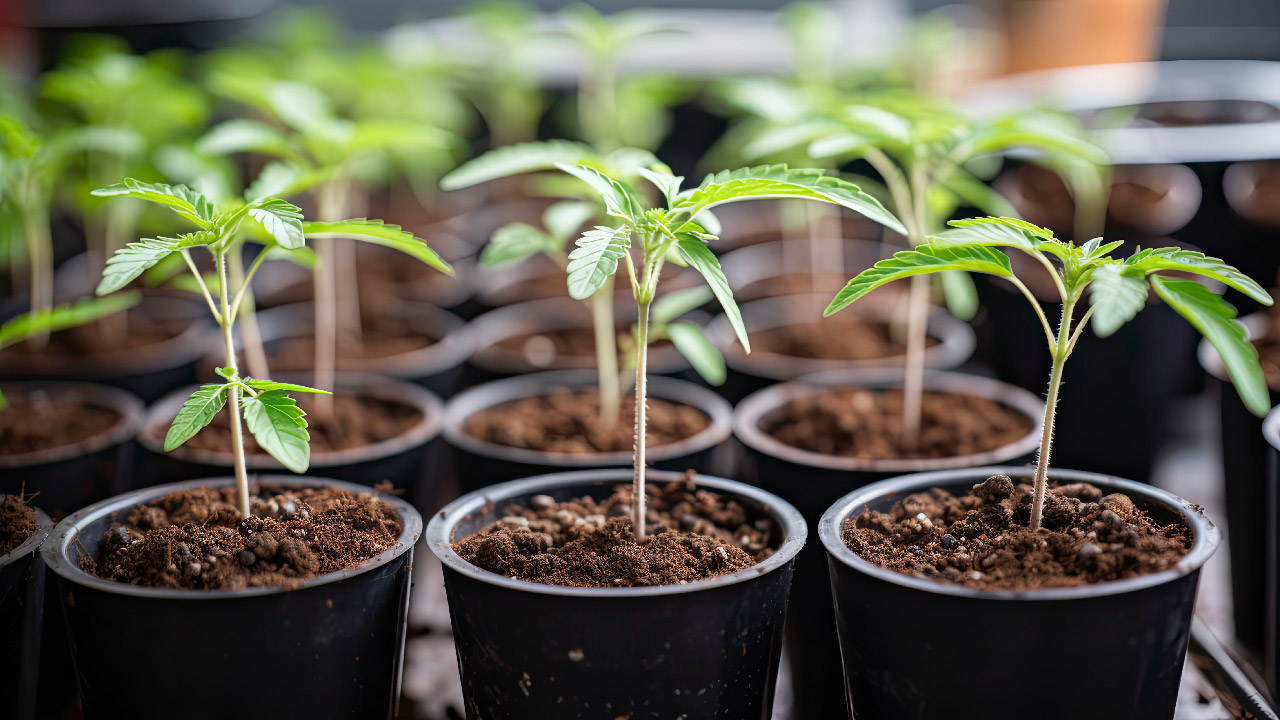
Marijuana cultivation has evolved into a sophisticated industry, with growers constantly seeking efficient and effective ways to produce high-quality cannabis. Among the many techniques available, growing marijuana clones stands out as a game-changing method. Cloning marijuana offers a cost-effective, time-saving, and reliable way to replicate desirable strains while maintaining consistent quality. In this comprehensive guide, we'll explore everything you need to know about marijuana clones, including their advantages, the cloning process, best practices, and tips for achieving optimal results.
What Are Marijuana Clones?
A marijuana clone is a cutting taken from a mature cannabis plant, known as the mother plant. This cutting develops roots and becomes an independent plant that is genetically identical to the parent. Cloning is an asexual reproduction method, bypassing the need for seeds and allowing growers to maintain the same characteristics as the original strain.
Growers often clone plants with desirable traits such as high THC content, unique flavors, resistance to pests, or robust growth patterns. By cloning, you can ensure uniformity in your cannabis crop and save time compared to starting from seeds.
Advantages of Growing Marijuana Clones
- Genetic Consistency
Clones inherit the exact genetic makeup of the mother plant, ensuring consistency in growth, potency, and flavor. This is particularly valuable for commercial growers aiming for uniform product quality. - Faster Growth Cycle
Unlike seeds, which require time to germinate and establish, clones are already developed cuttings. They skip the seedling stage, accelerating the overall growth process. - Cost Efficiency
Seeds can be expensive, especially when purchasing premium strains. Cloning allows you to produce multiple plants from a single mother plant, significantly reducing costs. - Reliable Results
Seeds can sometimes result in unpredictable phenotypes, leading to variations in plant characteristics. Cloning eliminates this uncertainty, as each clone mirrors the parent plant. - Preserving Rare Strains
Cloning is a valuable technique for preserving rare or heirloom cannabis strains that may be difficult to find in seed form.
How to Clone Marijuana Plants
Cloning marijuana may sound daunting, but with the right tools and techniques, it’s a straightforward process. Here’s a step-by-step guide:
1. Prepare Your Workspace and Materials
Before you start, gather the necessary tools and ensure your workspace is clean to minimize the risk of contamination. You'll need:
- A healthy mother plant
- Sharp sterilized scissors or a razor blade
- Rooting gel or powder
- Rockwool cubes or a similar growing medium
- A humidity dome
- A grow light
- Spray bottle with water
2. Select a Healthy Mother Plant
The quality of your clones heavily depends on the health of the mother plant. Choose a plant that is:
- At least two months old
- Free from pests, diseases, or nutrient deficiencies
- Exhibiting robust growth
3. Take Cuttings
- Identify a strong, healthy branch with at least two nodes.
- Using sterilized scissors, cut the branch at a 45-degree angle just below a node.
- Aim for cuttings that are 4–6 inches long for optimal results.
4. Trim the Cutting
- Remove the lower leaves to expose the stem for rooting.
- Trim large fan leaves in half to reduce water loss and encourage root development.
5. Apply Rooting Hormone
Dip the cut end of the stem into a rooting gel or powder. This step stimulates root growth and increases the chances of successful cloning.
6. Plant the Cutting
Insert the treated stem into a pre-soaked Rockwool cube or another growing medium. Ensure the cutting is secure and upright.
7. Create a Humid Environment
Place the planted cutting under a humidity dome or in a propagation tray. Clones thrive in high humidity (70–80%) and warm temperatures (70–75°F). Mist the clones regularly to maintain moisture levels.
8. Provide Light
Use a grow light set to low intensity, as clones do not require strong light during the rooting phase. Keep the lights on for 18–24 hours a day.
9. Monitor and Wait
Roots typically begin to develop within 7–14 days. Check the cuttings regularly for signs of root growth, and ensure the growing medium remains moist but not waterlogged.
10. Transplanting
Once the roots are well-established, transplant the clones into larger pots or directly into your growing system.
Common Mistakes to Avoid
While cloning marijuana is a relatively simple process, several pitfalls can hinder success. Avoid these common mistakes:
- Using an Unhealthy Mother Plant
Cloning from a weak or diseased mother plant can result in clones with poor growth and susceptibility to issues. - Improper Cutting Techniques
Cutting at the wrong angle or using dull tools can damage the stem and reduce rooting success. - Neglecting Hygiene
Failing to sterilize tools and maintain a clean workspace can introduce pathogens, compromising the clones. - Inadequate Humidity and Temperature
Clones require specific environmental conditions to root effectively. Ensure humidity and temperature levels are consistently optimal. - Overwatering
Waterlogged growing mediums can suffocate roots and lead to rot. Maintain a balance between moisture and aeration.
Tips for Successful Cloning
- Choose the Right Strain: Some cannabis strains are easier to clone than others. Start with strains known for their cloning success rates.
- Monitor Closely: Clones are delicate and require daily attention to ensure they’re thriving.
- Use a Rooting Gel with Nutrients: Many rooting hormones come with added nutrients to support early development.
- Label Your Clones: If cloning multiple strains, label them to avoid mix-ups.
- Patience is Key: Don’t rush the process. Allow the clones to root fully before transplanting.
Challenges of Marijuana Cloning
While cloning offers numerous advantages, it’s not without challenges. Some growers may encounter:
- Genetic Degradation: Over time, repeated cloning can lead to genetic drift, causing variations in plant characteristics.
- Reduced Plant Vitality: Clones derived from older or stressed mother plants may exhibit slower growth and reduced potency.
- Learning Curve: Beginners may need practice to perfect their cloning technique and achieve high success rates.
Final Thoughts
cannabis clones shipped are an invaluable tool for growers seeking consistency, efficiency, and cost savings. By mastering the art of cloning, you can cultivate a thriving cannabis garden that mirrors the best qualities of your favorite strains. While the process may seem intimidating at first, following the proper steps and maintaining attention to detail will yield rewarding results.
Whether you’re a commercial grower or a home cultivator, marijuana cloning is a skill worth developing. With patience, practice, and dedication, you’ll unlock the full potential of this powerful cultivation technique.