
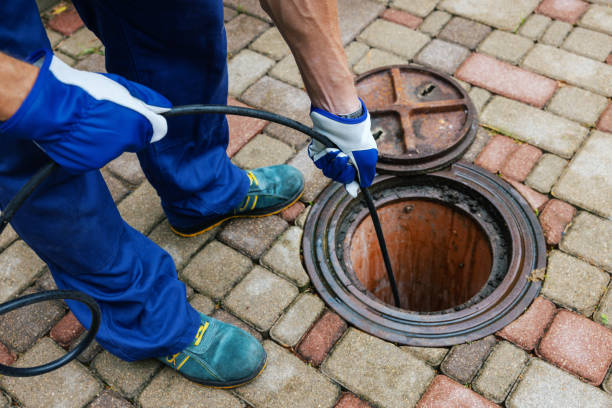
Drainage systems are essential for maintaining the health and safety of residential, commercial, and industrial properties. They are responsible for channeling excess water away from structures and preventing flooding, soil erosion, and water contamination. However, over time, these systems can become clogged or inefficient due to a build-up of debris, grease, silt, or tree roots. This can lead to slow drainage, foul odors, and even significant water damage. Drainage cleansing is the process of clearing out blockages and ensuring the proper flow of water through pipes, ditches, and other drainage infrastructure.
In this article, we will explore the importance of drainage cleansing, common methods, and best practices to keep drainage systems functioning optimally.
Why Drainage Cleansing is Essential
-
Prevents Blockages and Flooding
Blocked drains are a major contributor to flooding. When water cannot flow freely, it backs up into your home or business, potentially causing water damage to floors, walls, and electrical systems. Drainage cleansing ensures that drains remain clear, preventing these issues from arising. -
Improves Health and Hygiene
Stagnant water in blocked drains can become a breeding ground for bacteria, mold, and pests. Properly maintained drainage systems help to mitigate health risks by ensuring that waste and water flow correctly out of your property. -
Enhances the Life of the Drainage System
Regular cleansing helps to prevent long-term damage to pipes and drainage channels. When debris accumulates and causes blockages, the pressure can weaken pipes, leading to cracks or bursts. Routine maintenance extends the lifespan of the entire drainage system. -
Reduces Unpleasant Odors
Foul odors often result from decomposing organic matter, such as food particles, grease, or algae, which can build up in drains. Regular cleansing can eliminate these sources of smell, creating a fresher, cleaner environment. -
Protects the Environment
When drainage systems are clogged, wastewater may overflow, spilling into the surrounding environment. This can lead to contamination of local waterways, polluting ecosystems, and harming aquatic life. Cleansing drains prevents these potential environmental hazards.
Common Methods of Drainage Cleansing
-
Manual Cleaning (Snaking or Rodding)
For smaller blockages, manual cleaning techniques such as snaking or rodding may be sufficient. This involves using a specialized tool—a long, flexible metal rod or cable—to physically remove debris that has caused a blockage. This method is often effective for clearing hair, grease, or small pieces of food. -
High-Pressure Water Jetting
High-pressure water jetting is one of the most efficient and effective ways to cleanse larger drainage systems. A hose equipped with a powerful nozzle is inserted into the drain, and water is pumped at very high pressure to break up and flush away any blockages or build-up. This method is especially useful for clearing grease, sludge, and tree roots. -
Chemical Drain Cleaners
Chemical drain cleaners are commercially available products designed to dissolve grease, hair, soap scum, and other organic matter that causes blockages. While they can be effective, they should be used sparingly because many chemical cleaners contain harsh substances that can corrode pipes over time. It’s also essential to use them with caution, as the chemicals can be harmful to the environment. -
Enzyme-Based Cleaners
For more eco-friendly options, enzyme-based cleaners are a natural alternative to harsh chemical solutions. These cleaners contain beneficial bacteria and enzymes that break down organic matter in the drain. Enzyme-based cleaners are slower acting than chemicals but are gentler on the environment and less likely to cause damage to pipes. -
CCTV Drain Inspections
In some cases, blockages may be deep within the system or caused by structural issues like cracks or collapsed pipes. CCTV drain inspections involve sending a camera down the drain to inspect the condition of the pipes. This method allows for a detailed view of any problems, helping professionals pinpoint the location of blockages and make informed decisions about how to proceed with the cleaning.
Best Practices for Drainage Maintenance
-
Regular Inspections
Routine inspections can help identify potential issues before they become major problems. Regularly check for signs of slow drainage, standing water, or unpleasant odors. Early detection can prevent expensive repairs and reduce the need for intensive cleaning. -
Install Drain Screens or Traps
Installing screens, traps, or filters in drains can catch debris before it enters the system. These simple devices prevent large pieces of waste, hair, and food particles from entering the pipes, reducing the frequency of blockages and the need for cleaning. -
Avoid Pouring Grease Down Drains
Grease and oils can solidify inside pipes, leading to stubborn blockages. Avoid pouring cooking oils, fats, or grease down the drain. Instead, dispose of these materials in a safe, environmentally friendly manner. -
Use Natural Drain Cleaners Regularly
Using natural cleaners like baking soda, vinegar, or a mixture of salt and boiling water can help maintain clear drains without resorting to harsh chemicals. These substances can help break down smaller clogs and keep drains smelling fresh. -
Keep Gutters and Downspouts Clean
Clogged gutters can quickly lead to water overflow, which can impact the drainage system. Regularly clean gutters, downspouts, and other water channels to ensure that rainwater flows properly and does not overwhelm the drainage system. -
Consider Professional Drain Cleaning Services
If your drainage system is large, heavily clogged, or you notice persistent issues despite regular cleaning, it’s advisable to hire a professional service. Experts have the tools and experience to handle more complex problems, such as tree root intrusions or severe blockages deep within the system.
Conclusion
Proper 北角通渠 is crucial for maintaining a functional, healthy, and safe environment. By understanding the importance of regular maintenance, using the right methods for cleaning, and following best practices, you can prevent blockages, extend the life of your drainage system, and avoid costly repairs. Whether you're tackling minor clogs with a plunger or enlisting the help of high-pressure jetting, the key is to stay proactive and keep your drainage system in top condition to protect both your property and the environment.